Key Features of Forklift Safety Cages: Why the Details Matter

Key Features of Forklift Safety Cages: Why the Details Matter

A forklift safety cage work platform needs more than strong steel and protective rails. Its suitability depends on how the platform, forklift, and intended task work together. Micron Engineering supplies purpose-built work platforms and forklift attachments, helping South African businesses assess equipment suitability, protective features, and ongoing support when planning elevated work.

Imagine a maintenance job in a busy warehouse: an overhead fitting needs attention, dispatch is running behind, and a forklift is nearby. Although the repair may be brief, choosing the right access equipment requires careful planning.

That is where the discussion about a forklift safety cage work platform should begin. The key consideration is whether the complete access arrangement is suitable for the task and meets applicable safety requirements. A platform’s appearance alone cannot establish its suitability.

For facility managers, safety teams, and procurement departments, understanding the purpose of each feature helps support informed decisions about forklift work platforms and safe working practices.

What Is a Forklift Safety Cage Work Platform?

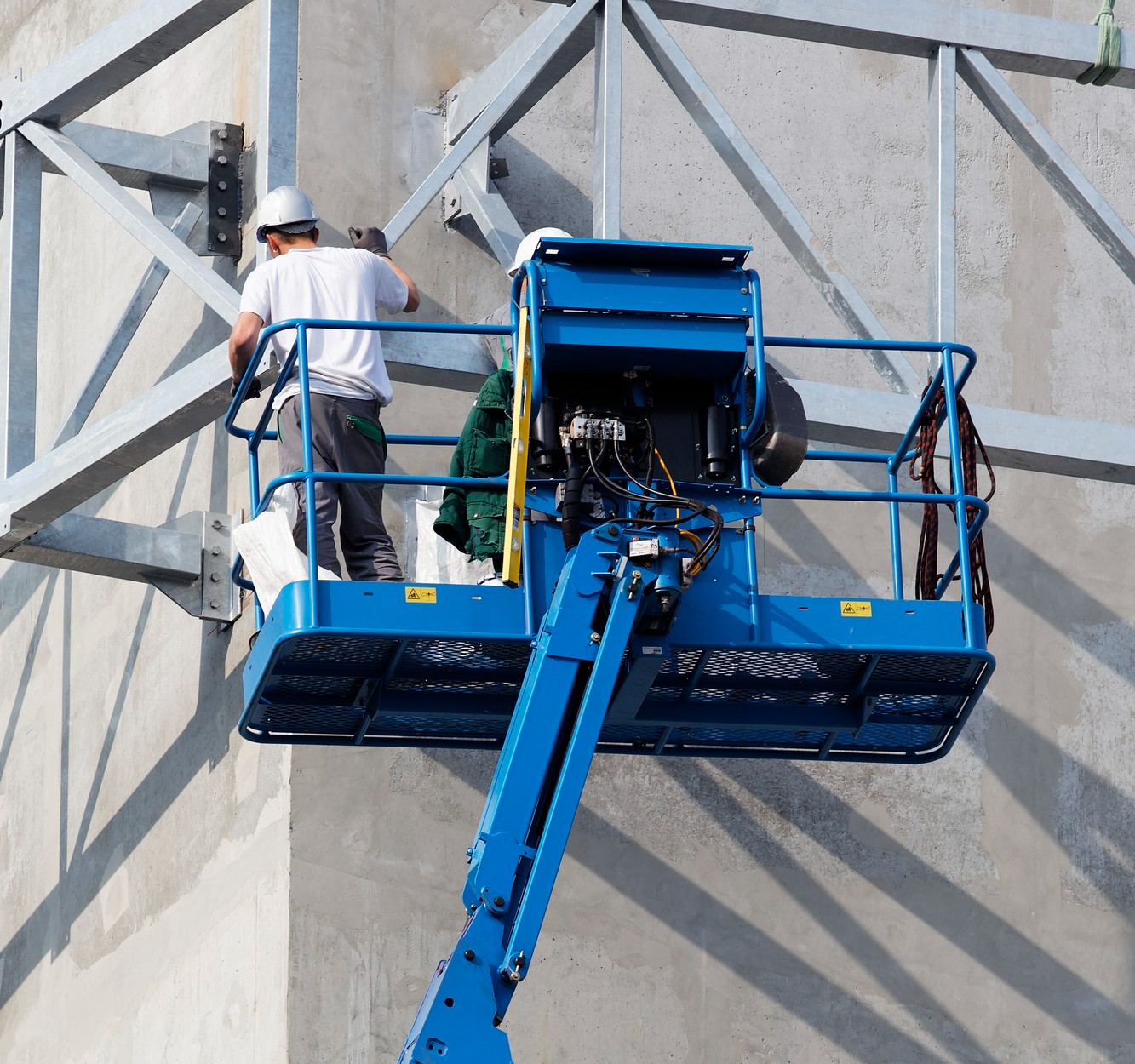
Forklift safety cages, also called personnel cages, man baskets, or forklift work platforms, are purpose-built attachments intended to accommodate personnel during approved elevated work.

They differ from attachments designed to carry goods. A personnel platform must address the needs of the people inside it, including a secure standing area, protective barriers, controlled access, and a suitable connection to the lifting equipment.

Our work-platform offering forms part of our broader forklift attachment and materials-handling range. It includes features such as steel construction, fork pockets, slip-resistant flooring, guardrails, and toe boards.

The exact specification, permitted application, and compatibility must be confirmed for the particular platform and forklift. A product category description should never replace model-specific documentation.

1. Structural Strength Supported by Clear Specifications

Steel construction is an important feature of a forklift safety cage work platform, but a strong-looking frame tells only part of the story.

The platform’s structure must suit its intended loading and working conditions. Its floor, supporting members, connections, and protective barriers all contribute to the overall design and safety of the equipment.

Micron Engineering’s forklift work platforms feature high-strength steel construction designed for industrial environments. However, assessing a forklift safety cage work platform also requires checking its documented load rating, specifications, and the condition of the individual unit.

For South African facilities, this means looking beyond the initial purchase. Exposure to moisture, corrosive substances, and accidental impacts can affect equipment condition and performance over time.

The key distinction is between equipment that simply looks robust and equipment whose suitability can be verified. Clear specifications, traceable identification, and an appropriate inspection history help demonstrate that a forklift work platform is suitable for its intended application.

2. Fork Pockets and a Secure Retention Design

The connection between the cage and the forklift is a critical part of the system.

Fork pockets provide the interface with the forks, while the platform’s specified retention arrangement helps prevent unintended separation. Physical fit alone does not establish suitability for lifting personnel.

Our work-platform range incorporates secure fork-pocket design. The precise attachment and retention arrangement needs to be confirmed against the selected model’s documentation.

This is also why universal compatibility claims deserve scrutiny. Fork dimensions, the truck configuration, and the attachment’s characteristics can vary.

For procurement teams, the key question is whether the proposed combination has been assessed and documented appropriately. That assessment belongs with competent specialists and the relevant equipment manufacturers.

3. Guardrails, Enclosed Sides, and Controlled Access

Protective barriers are among the most recognisable features of forklift safety cages. Their purpose is to help contain personnel within the designated working area.

Several elements contribute to this protection:

  • Perimeter guarding around exposed edges
  • Intermediate protection within the barrier arrangement
  • An access gate with an appropriate closing and securing design
  • Toe boards around the platform floor

These features should be considered together. An otherwise substantial enclosure can be undermined by a damaged gate or an unsuitable alteration.

Our platform offering includes guardrails and toe boards. Gate details and the precise enclosure configuration should be confirmed for the proposed unit.

Platform layout matters, too. A task that cannot be completed from within the protected working space may require a different access solution. Additional reach should never depend on defeating the cage’s protective features.

4. Slip-Resistant Flooring That Supports Housekeeping

Footing matters just as much as the surrounding rails.

Our forklift work platforms include slip-resistant flooring, which helps reduce the likelihood of slipping within the platform. It is a useful design feature, but its effectiveness still depends on surface condition.

Dust, moisture, oil, and loose debris can compromise a working surface. Consequently, flooring design and workplace housekeeping need to support each other.

For maintenance teams, an easily inspected platform floor also makes deterioration and contamination easier to identify. The relevant question is how the surface will perform and be maintained in the actual environment.

A clean distribution centre, a manufacturing workshop, and a damp outdoor area can present very different conditions.

5. Toe Boards and Attention to People Below

Elevated work affects more than the people inside the cage.

Toe boards help reduce the risk of items slipping from the platform edge. This matters in facilities where pedestrians, stock, machinery, and vehicle routes may be nearby.

However, toe boards cannot contain every dropped object or replace wider site controls. The task’s risk assessment still needs to address tools, materials, and the area beneath the work.

This illustrates an important principle: a protective feature reduces a particular risk; it does not remove every risk associated with the job.

The strongest equipment decisions connect each feature to the hazard it is intended to address.

6. Documented Capacity and Forklift Compatibility

Capacity is more complicated than asking how many people fit inside a cage.

The platform’s permitted occupancy and load rating are separate considerations. The overall assessment must also account for the platform itself, personnel, tools, and materials, alongside the forklift’s suitability for the proposed arrangement.

A forklift’s headline lifting capacity does not automatically establish that it is suitable for a personnel platform.

Clear documentation should remove uncertainty about the approved configuration and its limitations. Where information is missing, the answer should come from the manufacturer or an appropriately qualified specialist.

Micron Engineering’s wider attachment offering makes compatibility an essential part of the equipment conversation. The objective is a properly specified solution for the application.

7. Fall-Protection Provisions Appropriate to the Design

Some forklift safety cages incorporate designated anchor points for personal fall-protection equipment. Their presence should be assessed as part of the platform’s overall protective system.

An anchor point is not simply a convenient place to connect equipment. Its intended function, rating, and compatibility with the specified protection system matter.

Requirements must be established through the manufacturer’s instructions and a competent assessment of the task. A harness alone does not make an unsuitable lifting arrangement acceptable.

The same applies to emergency planning. How personnel would be assisted if a problem occurred should be considered before elevated work is authorised.

Why South African Businesses Need to Assess the Whole Task

A warehouse in Gauteng and a coastal industrial facility may require similar-looking equipment while facing different environmental and operational challenges.

Beyond the cage itself, a professional assessment should consider ground conditions, nearby traffic, overhead obstructions, weather exposure, and the frequency of the work.

Frequent or extended work at height may be better served by dedicated access equipment. The availability of a forklift should not determine the access method.

South African businesses should have their responsible safety professionals establish the applicable legal, approval, inspection, and training requirements for the proposed arrangement. Purchasing a cage does not, by itself, establish compliance.

The practical insight is straightforward: the cage is one component of an access system, and the system must be assessed as a whole.

FAQs About Forklift Safety Cages

What are forklift safety cages used for?

They are personnel platforms intended for suitable, approved elevated tasks, which may include maintenance and inspections. The access method must be assessed for the specific job and equipment combination.

What are the most important features of forklift safety cages?

Important features include structural integrity, secure attachment, protective barriers, controlled access, slip-resistant flooring, and toe boards. Documented capacity, compatibility, and inspection requirements are equally important.

Can any forklift accommodate a safety cage?

No. Physical fit is insufficient. Suitability depends on the forklift, platform, intended task, manufacturer requirements, and the assessment of the complete arrangement.

How many people can occupy a forklift safety cage?

The permitted number depends on the specific platform’s documented occupancy and load limits, together with the approved equipment configuration. Available floor space is not a reliable guide.

Do forklift safety cages automatically make elevated work compliant?

No. Compliance depends on the equipment, required approvals, inspections, competent personnel, and the planned work. The responsible safety professional must confirm the requirements that apply.

Does Micron Engineering provide attachment support?

Yes. Our group provides forklift attachment maintenance, servicing, and repairs. Contact us to confirm support for a particular unit.

Discuss Your Forklift Safety Cage Requirements with Micron Engineering

A well-informed specification starts with the task, the working environment, and the equipment involved.

We can discuss our forklift safety cages and work-platform offering, clarify available specifications, and explain the support provided across our group.

Contact our team to discuss your application and request a suitable equipment proposal. Let us help you bring greater clarity to your platform requirements, compatibility questions, and long-term attachment support.

Follow us on Facebook and X(twitter)

Forklift Attachment and Handling Equipment Solutions

Forklift Attachment and Handling Equipment Solutions

Smarter material handling starts with the right equipment. For more than 40 years, Micron Engineering has helped businesses improve the way they lift, move, position, rotate, clamp, and handle materials.

We are a trusted supplier of forklift attachment and handling equipment solutions for businesses across South Africa and Southern Africa. From warehouses and distribution centres to manufacturing plants, logistics operations, processing facilities, and demanding industrial environments, we help our customers choose equipment that makes material handling safer, faster, and more efficient.

Every operation is different. The load you handle, the forklift you use, your available space, the frequency of operation, and your productivity requirements all influence which equipment is right for you. That is why we do more than simply supply attachments. We combine practical experience, technical expertise, quality products, and ongoing support to help you find a solution that fits your operation.

Whether you need a new attachment, a refurbished unit, a customised solution, specialist forklift forks, or professional attachment repairs, Micron Engineering is ready to assist.

Talk to our team about your material handling requirements today.

Forklift Attachments for Every Material Handling Challenge

A standard forklift is an incredibly useful piece of equipment, but the right attachment can make it considerably more versatile.

Micron Engineering supplies a comprehensive selection of forklift attachment and handling equipment designed for different loads, industries, and working environments. Our range allows businesses to adapt their forklifts for specialised applications without relying on unnecessary manual handling or additional equipment.

Our forklift attachment solutions include:

  • Drum handlers
  • Fork clamps
  • Fork positioners
  • Forklift forks
  • Fork extensions
  • Multi-pallet handlers
  • Push-pull attachments
  • Roller forks
  • Rotators
  • Telescopic forks
  • Side shift attachments
  • Forward bin inverters
  • Mast height extensions
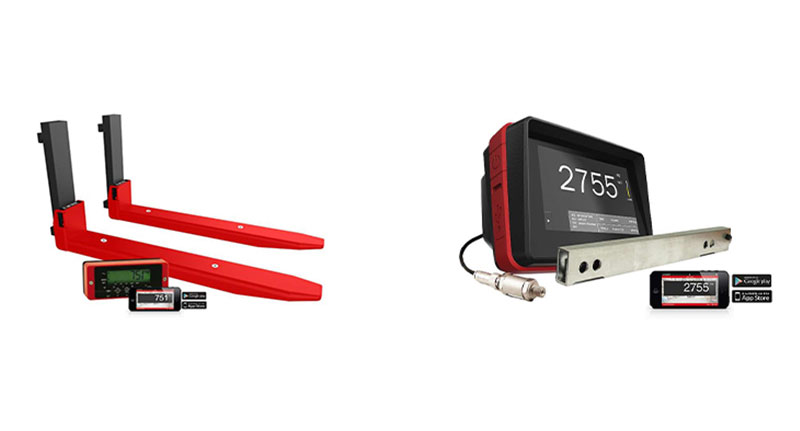
  • Weighing systems
  • Forklift booms
  • Crane jibs
  • Forklift working platforms
  • Carriages
  • Specialised and custom-built attachments

Our team can help you assess the application, forklift specifications, load characteristics, and operating conditions before recommending appropriate equipment.

Forklift Forks and Mechanical Handling Solutions

Forklift forks are among the most critical components of any forklift, making the right forklift attachment and handling equipment essential for safe and efficient material handling.

Forks must be correctly matched to the forklift, mounting requirements, load capacity, dimensions, and intended application. Worn, damaged, unsuitable, or incorrectly specified forks can compromise operational safety and productivity.

Micron Engineering supplies forklift forks and related mechanical handling equipment for a wide range of industrial applications. From replacement forklift forks to specialised configurations for demanding operating environments, we help businesses find suitable solutions for their material handling needs.

Our broader range of forklift attachment and handling equipment includes carriages, booms, jibs, fork extensions, drum handlers, and other solutions designed to meet specific operational requirements.

Custom Forklift Attachment Solutions

Sometimes an off-the-shelf attachment simply does not solve the problem.

Different industries handle unusual loads, operate specialised machinery, work within restricted spaces, or need to perform tasks that standard equipment was never designed to manage.

This is where experience matters.

Micron Engineering can assist with specialised and customised forklift attachment and handling equipment solutions based on the requirements of your application. We consider factors such as:

  • Forklift specifications
  • Required load capacity
  • Load dimensions and shape
  • Mounting requirements
  • Operating environment
  • Required reach
  • Frequency of use
  • Material being handled
  • Hydraulic requirements
  • Productivity objectives
  • Safety considerations

Our goal is to provide equipment that works with your operation rather than forcing your operation to work around unsuitable equipment.

Professional Forklift Attachment Repairs and Maintenance

Buying quality equipment is only one part of maintaining a productive material handling operation. Forklift attachments are working equipment, and regular use can result in wear, hydraulic issues, damaged components, and declining performance.

Micron Engineering provides professional forklift attachment repair, servicing, maintenance, and refurbishment solutions.

Our experienced team can assist with assessing equipment, identifying faults, repairing attachments, replacing components where necessary, and helping businesses keep their equipment operating reliably.

Regular maintenance can help:

  • Identify developing problems sooner
  • Reduce unexpected equipment failures
  • Improve attachment reliability
  • Support safer material handling
  • Protect your equipment investment
  • Reduce unnecessary downtime
  • Extend the usable life of attachments

Instead of automatically replacing an attachment, speak to our team about whether repair or refurbishment could provide a practical solution.

New and Refurbished Forklift Attachments

Every business has different operational priorities and budgets.

Micron Engineering can assist customers with both new and refurbished forklift attachment and handling equipment solutions where appropriate.

New equipment provides a solution matched to current operating requirements, while a professionally refurbished attachment may offer a cost-effective option for certain applications.

Our team can help you evaluate your requirements and determine which approach makes the most sense for your operation.

Material Handling Equipment That Works as Hard as You Do

The purpose of good material handling equipment is not simply to move something from one place to another. It should improve the way your operation works.

The right forklift attachment and handling equipment can help businesses:

  • Handle specialised loads more effectively
  • Reduce unnecessary manual handling
  • Improve loading and unloading times
  • Increase forklift versatility
  • Improve load positioning
  • Reduce avoidable product damage
  • Increase warehouse and production efficiency
  • Make better use of existing equipment
  • Reduce repetitive handling
  • Improve operational productivity

A forklift equipped for the application can often perform tasks that would otherwise require additional handling equipment or time-consuming manual processes.

Solutions for South African Industry

Micron Engineering supports businesses across a broad range of industrial and commercial environments.

Our forklift attachments and handling solutions can be used several industries.

Warehousing and Distribution

Efficient warehouses depend on quick, accurate movement of stock.

Fork positioners, side shifters, multi-pallet handlers, telescopic forks, and other attachments can help improve pallet handling, loading, racking, and distribution processes.

Manufacturing

Manufacturers often work with materials that do not fit neatly onto a standard pallet.

Clamps, rotators, booms, drum handlers, and customised attachments can help manufacturers move raw materials, components, containers, and finished products more efficiently.

Logistics

Loading and unloading efficiency can have a direct effect on turnaround times.

The right forklift attachment can streamline repetitive handling, increase equipment versatility, and help logistics businesses manage different load types with fewer delays.

Paper and Packaging

Paper rolls and specialised packaging materials require controlled handling.

Paper roll clamps and other suitable attachments can help minimise unnecessary product damage while improving material movement within production and storage areas.

Food, Beverage, and Processing

High-throughput production facilities frequently require efficient movement of pallets, containers, drums, bins, and other materials.

Suitable forklift attachment and handling equipment can help keep materials moving through receiving, production, storage, and dispatch.

Agriculture and Bulk Material Handling

Bales, drums, bulk containers, and unusual loads often require equipment designed specifically for the task.

Micron Engineering can assist with practical attachment solutions for these demanding applications.

Improve Forklift Safety and Operator Visibility

Material handling efficiency should never come at the expense of safety.

Busy warehouses, congested loading areas, restricted visibility, pedestrians, shelving, and large loads can all make forklift operation challenging.

In addition to forklift attachments and material handling equipment, Micron Engineering provides safety camera solutions designed to improve operator visibility in material handling environments.

Improved visibility can help operators better understand what is happening around the forklift and support safer, more controlled operation.

Why Choose Micron Engineering?

When you invest in material handling equipment, you need more than a product. You need a supplier that understands how the equipment will actually be used.

With more than 40 years of industry experience, Micron Engineering has developed extensive knowledge of forklift attachments, mechanical handling equipment, specialised applications, repairs, maintenance, and customised solutions.

  • Decades of Industry Experience: Material handling problems are rarely solved by specifications alone. Our experience allows us to consider how an attachment will perform in real operating conditions and help customers identify practical solutions for their applications.
  • Comprehensive Product Range: Our broad selection means customers can source equipment for many different material handling requirements through one experienced supplier.
  • Specialised Solutions: When standard equipment is not suitable, we can help explore customised options designed around the application.
  • Repairs and Ongoing Support: Our involvement does not have to end when equipment is supplied. We provide repair, servicing, maintenance, and refurbishment support to help customers keep their attachments operating effectively.
  • National Support: We support customers across South Africa through our sales and service network, helping businesses access equipment, technical expertise, maintenance, and material handling solutions wherever their operations are based.
  • A Focus on the Right Solution: The most expensive attachment is not automatically the best attachment, and the most common attachment is not always suitable for your application. We focus on matching the equipment to what your business actually needs.

Choosing the Right Forklift Attachment

Selecting an attachment should never be based on the attachment type alone.

Adding equipment to a forklift can affect the way the machine handles a load, which means forklift compatibility and capacity considerations are important.

Before selecting an attachment, consider:

  • What are you handling? The shape, dimensions, weight, surface, packaging, and stability of the load all influence attachment selection.
  • How heavy is the load? Attachment weight and load requirements must be considered alongside the forklift’s capabilities.
  • How often will the attachment be used? An attachment required continuously throughout a production shift may have different requirements from equipment used occasionally.
  • Where will it operate? Warehouse aisles, outdoor yards, production environments, loading docks, cold-storage areas, and specialised industrial sites can each create different requirements.
  • Does the load need to rotate, clamp, extend, shift, or tip? Understanding the exact movement required makes it easier to identify the most suitable attachment.
  • Is a standard attachment sufficient? Where unusual loads or processes are involved, a customised solution may provide better performance.

Not sure where to begin? Our team can help you assess your application and identify suitable options.

Your Partner in Forklift Attachment and Handling Equipment

Material handling equipment should help your team accomplish more with the forklifts you already depend on.

We combine product knowledge, engineering experience, technical support, repairs, and specialised solutions to help businesses improve their material handling operations.

Whether you are replacing an existing attachment, expanding your forklift capabilities, looking for specialist forks, dealing with equipment that needs repair, or searching for a completely customised solution, we are here to help.

For dependable forklift attachment and handling equipment backed by more than four decades of industry experience, choose Micron Engineering.

Let’s Find the Right Material Handling Solution for Your Business

Not sure which attachment is best suited to your forklift or application?

Talk to Micron Engineering.

Tell us what you need to lift, move, clamp, rotate, position, or handle, and our team can help you identify an appropriate solution. From new and refurbished attachments to specialised equipment, maintenance, repairs, and custom material handling requirements, we provide the expertise and support you need to keep your operation moving.

Contact Micron Engineering today to discuss your forklift attachment and material handling requirements.

Frequently Asked Questions

What forklift attachments does Micron Engineering supply?

Micron Engineering supplies a wide range of forklift attachments, including bale clamps, drum handlers, fork clamps, fork positioners, rotators, telescopic forks, paper roll clamps, push-pulls, multi-pallet handlers, and specialised material handling solutions designed for various industrial applications.

Does Micron Engineering supply forklift attachments throughout South Africa?

Yes, Micron Engineering provides forklift attachment solutions and support across South Africa through its national sales and service network. The company assists businesses with new and refurbished attachments, repairs, maintenance, and customised material handling solutions.

How do I choose the right forklift attachment for my business?

The correct forklift attachment depends on the type of materials being handled, load capacity requirements, operating environment, and the specific application. Micron Engineering can assist businesses in selecting the most suitable attachment to improve safety, efficiency, and productivity.

Does Micron Engineering repair and maintain forklift attachments?

Yes, Micron Engineering offers professional forklift attachment repair, servicing, and maintenance solutions. Our experienced team helps ensure attachments remain safe, reliable, and operational to minimise downtime and improve equipment performance.

Why should I choose Micron Engineering for forklift attachments and material handling equipment?

With over 40 years of industry experience, Micron Engineering is a trusted supplier of forklift attachments and material handling equipment in Southern Africa. We provide quality products, specialised solutions, technical expertise, and ongoing support for a wide range of industrial applications.

Follow us on Facebook and X(twitter)

Choosing the Right Forklift Weighing System for Safer, Smarter Material Handling

Choosing the Right Forklift Weighing System for Safer, Smarter Material Handling

In a busy warehouse, factory, distribution centre, or yard, every load movement matters. A forklift does far more than move pallets from one point to another. It affects dispatch accuracy, inventory control, vehicle loading, safety, productivity, and customer satisfaction. When operators have to stop, move a load to a separate floor scale, record the weight manually, and then return to the workflow, time is lost and errors can creep in. This is where forklift weighing systems become a practical investment.

Forklift weighing systems allow businesses to weigh loads during normal handling operations. Instead of treating weighing as a separate step, the process becomes part of the lift, move, and dispatch cycle. For South African companies dealing with high volumes, strict delivery schedules, stock control pressures, and heavy-duty working environments, the right system can make a measurable difference.

Micro Engineering understands that every site has its own demands. A warehouse handling wrapped consumer goods will not need the same solution as a recycling facility, agricultural operation, manufacturing plant, or logistics hub. The right forklift weighing system should match the forklift, the load, the operator workflow, and the accuracy required by the business.

This guide explains what to consider before choosing a system, how forklift weighing systems support safer operations, and why expert advice matters when selecting equipment for South African material handling environments.

What Are Forklift Weighing Systems?

Forklift weighing systems are weighing solutions fitted to or integrated with material handling equipment such as forklift trucks, warehouse trucks, and pallet trucks. Their purpose is simple: to measure the weight of a load while it is being lifted or transported.

Instead of weighing goods separately on a platform scale, operators can capture weight information as part of the normal handling process. Depending on the system, the weight may be displayed to the operator, recorded for stock control, used for dispatch checks or integrated into a broader operational process.

A forklift weighing system can help businesses answer important questions quickly:

  • Is the load within the forklift’s rated capacity?
  • Is the outbound order weight correct?
  • Has the pallet been packed according to specification?
  • Is the delivery vehicle being loaded within safe and legal limits?
  • Is stock being recorded accurately?

For many operations, this information is not a nice-to-have. It is central to productivity, safety, and profitability.

Why Forklift Weighing Systems Matter in South African Operations

South African businesses often work under tough conditions. Warehouses and industrial sites need to manage rising transport costs, tight margins, long travel distances, demanding customers, and strict delivery windows. In sectors such as logistics, manufacturing, agriculture, recycling, retail distribution, and mining support, incorrect weight data can create costly problems.

A pallet that is heavier than expected can affect forklift stability. An under-recorded load can cause dispatch errors. A miscalculated shipment can result in transport inefficiencies. A vehicle loaded without accurate weight checks can create compliance and safety risks.

Forklift weighing systems help reduce these risks by bringing weighing closer to the point of work. Operators can make better decisions before goods leave the warehouse, before a truck is loaded, and before an overloaded or incorrect pallet becomes a bigger issue.

For South African companies moving high volumes of goods across Gauteng, KwaZulu-Natal, the Western Cape and beyond, this can improve control across the entire supply chain.

The Main Benefits of Forklift Weighing Systems

Improved Load Safety

Safety starts with knowing what is being lifted. Forklifts have rated capacities, and operators need to understand how the weight of a load affects stability, braking, turning, and lifting height. When the weight of a load is guessed or assumed, risk increases.

Forklift weighing systems give operators access to weight information during the lift. This can support safer handling decisions and help teams avoid unnecessary strain on forklifts, forks, attachments, and warehouse infrastructure.

While a weighing system does not replace proper training, site rules, or operator judgement, it gives the team better information at the moment they need it.

Faster Weighing Without Extra Handling

Traditional weighing often requires a separate process. A pallet is picked up, transported to a scale, placed down, weighed, recorded, and then collected again. In a high-volume environment, those extra movements add up quickly.

With forklift weighing systems, weighing can happen as part of normal handling. This helps reduce unnecessary travel, double handling, and waiting time. The result is a more efficient workflow, especially in dispatch areas, receiving zones, and production environments where goods move continuously.

Better Stock Control

Accurate stock records depend on accurate data. If weights are captured inconsistently, businesses may struggle with inventory discrepancies, production planning issues, and order fulfilment problems.

Forklift weighing systems can help verify incoming and outgoing goods more efficiently. This is especially valuable for businesses handling bulk products, mixed pallets, raw materials, packaged goods, or recyclable materials where weight plays a central role in stock value and movement.

Fewer Dispatch Errors

Incorrect shipment weights can cause frustration for customers, transport partners, and internal teams. A load that does not match the expected weight may indicate missing items, incorrect packaging, or picking errors.

By weighing goods during the dispatch process, businesses can add an extra layer of checking before products leave the facility. This supports better customer service and fewer costly corrections.

More Productive Operators

Operators are under pressure to move goods quickly and safely. A system that allows them to weigh loads without leaving the normal workflow helps them work more efficiently.

The right equipment should be easy to read, practical to use, and suited to the realities of the site. When a forklift weighing system is chosen correctly, it supports the operator rather than slowing them down.

Stronger Transport Planning

Weight data plays a major role in transport planning. Companies need to load vehicles efficiently, avoid overloading, and make the best use of available space and payload. Forklift weighing systems can help teams check load weights before dispatch, improving planning, and reducing last-minute delays.

This is particularly useful for South African businesses moving goods over long distances, where transport costs are a significant part of operational expenditure.

Types of Forklift Weighing Systems to Consider

Not every weighing solution works in the same way. Choosing correctly depends on the application, forklift type, load profile, and required level of accuracy.

Fork-Mounted Weighing Systems

Fork-mounted systems are designed to weigh loads directly from the forks. These are often practical for businesses that need flexible weighing without dramatically changing the forklift’s basic function.

They can be useful in warehouses, distribution centres, and manufacturing operations where palletised goods are handled regularly. The key is ensuring that the system is compatible with the forklift and suitable for the weight range being handled.

Integrated Forklift Weighing Systems

Some operations need a more integrated weighing solution. These systems may be built into the forklift’s working setup and configured around the way the machine is used on site.

Integrated forklift weighing systems can be a good option for higher-volume environments where weighing is a frequent part of daily operations. They may also be suitable where data visibility, operator display placement, and workflow design are important.

Pallet Truck and Warehouse Truck Weighing Systems

Not every load is moved by a counterbalance forklift. Many warehouses rely on pallet trucks and warehouse trucks for internal handling. Weighing systems can also be integrated into this equipment, helping teams capture weight data closer to receiving, packing, or dispatch points.

This can be ideal for operations where goods are moved over shorter distances but still need to be weighed accurately and efficiently.

Vehicle and Facility Weighing Solutions

Some facilities need weighing systems beyond the forklift itself. Depending on the operation, weighing may be required at different points in the workflow, from material intake to dispatch. A complete approach considers how weighing fits into the whole material handling process rather than focusing on a single machine in isolation.

How to Choose the Right Forklift Weighing System

Choosing the right solution starts with the practical realities of your operation. The best system is not always the most complex one. It is the one that gives your team accurate, useful weight information in a way that fits the workflow.

Understand What You Need to Weigh

Before choosing between forklift weighing systems, define the load types clearly. Consider:

  • Average and maximum load weight
  • Pallet sizes and load dimensions
  • Whether loads are uniform or irregular
  • Whether goods are fragile, bulk, boxed, bagged, or wrapped
  • How often weighing is required
  • Where in the workflow weighing should happen

A distribution centre may need quick pallet verification. A recycling facility may need frequent bulk weight checks. A manufacturer may need to confirm raw material weights before production. Each application has different priorities.

Match the System to the Forklift

Compatibility is essential. A weighing system must suit the forklift’s specifications, capacity, fork arrangement, and working environment. It should not compromise safe operation or make the machine unsuitable for the loads it handles.

Micro Engineering looks at the broader handling setup before recommending a solution. The forklift, forks, attachments, load centre, operating conditions, and operator workflow all matter.

This is especially important when a forklift is already fitted with attachments such as clamps, rotators, extensions, or other handling equipment. The weighing solution must be selected with the complete setup in mind.

Consider the Required Accuracy

Not every business needs the same level of weighing precision. Some operations need weight checks for internal control, while others need more detailed measurement for stock, billing, production, or dispatch verification.

Before investing, ask what the weight data will be used for. If it will influence invoicing, compliance, stock valuation, or customer documentation, accuracy requirements may be more demanding. If it is primarily used for operational guidance, a different system may be suitable.

The point is not to overbuy or underbuy. It is to select the right level of accuracy for the task.

Think About Operator Visibility

The operator needs weight information in a clear, practical format. A display that is difficult to see, awkwardly positioned, or hard to interpret can reduce the value of the system.

A good forklift weighing system should support the operator’s workflow. The display should be readable, the controls should be intuitive, and the information should be available at the right moment.

Where visibility is already a challenge, businesses may also need to consider complementary material handling solutions such as camera systems or other forklift safety aids. The goal is to create a safer, more informed operating environment.

Check Environmental Conditions

South African industrial environments can be demanding. Dust, moisture, uneven surfaces, temperature changes, heavy loads, and continuous operation all affect equipment selection.

A weighing system used in a clean indoor warehouse may have different requirements from one used in an outdoor yard, recycling plant, agricultural facility, or manufacturing site. Durability, protection, maintenance access, and service support should all be part of the decision.

Review Data Capture Requirements

Some businesses only need the operator to see the weight. Others need weight data recorded for administration, stock control, dispatch, or reporting. Before choosing a system, decide how the information should be used.

Consider whether your team needs:

  • On-screen weight display
  • Printed or recorded weight data
  • Integration with internal processes
  • Load verification for dispatch
  • Batch or product weight tracking
  • Data for supervisors or warehouse managers

The more important the data is to your operation, the more carefully the system should be planned.

Factor in Calibration, Maintenance and Support

Forklift weighing systems work in active, demanding environments. Like any operational equipment, they need proper use, checks, and maintenance. Support should not be an afterthought.

When choosing a supplier, consider whether they understand forklift attachments, forks, material handling equipment, and the demands of local operations. A weighing system is part of the handling process, so it should be supported by a team that understands the equipment around it.

Micro Engineering’s material handling knowledge helps us look beyond the weighing device alone. We consider how the system fits into the forklift, the attachment, the operator’s routine, and the site’s productivity goals.

Consider the Full Cost of Ownership

The cheapest option is not always the most cost-effective. A poorly matched system can cause downtime, frustration, inaccurate readings, or workflow disruption. A suitable solution should save time, reduce errors, and support safer handling over the long term.

When assessing cost, look at:

  • Productivity gains
  • Reduced double handling
  • Fewer dispatch errors
  • Better stock control
  • Lower risk of overloading
  • Support and maintenance availability
  • Equipment lifespan
  • Operator usability

A good forklift weighing system should deliver value every day, not only at the point of purchase.

Industries That Benefit from Forklift Weighing Systems

Forklift weighing systems are useful across a wide range of South African industries. Any business that handles goods by weight, dispatches palletised stock, or needs better control over material movement can benefit.

  • Warehousing and Distribution: In warehouses and distribution centres, speed and accuracy are essential. Forklift weighing systems can help verify inbound and outbound loads, reduce dispatch mistakes, and improve productivity in busy loading areas.
  • Manufacturing: Manufacturers often need to move raw materials, semi-finished goods, and finished products through different stages of production. Weight data can support production planning, stock control, and quality checks.
  • Agriculture and Food Processing: Agricultural and food-related operations often handle bulk goods, packaged products, and variable load weights. Weighing during handling can improve efficiency and help teams manage stock more accurately.
  • Recycling and Waste Handling: Recycling operations often work with materials where weight determines value, handling requirements, and transport planning. Forklift weighing systems can help measure loads efficiently without unnecessary extra movements.
  • Retail and FMCG Distribution: Fast-moving consumer goods environments rely on accurate order fulfilment. Weight verification can help identify picking or packing discrepancies before orders leave the facility.
  • Mining Support and Industrial Supply: Heavy-duty industrial environments require practical, durable equipment. Forklift weighing systems can support safer load handling and better control over the movement of materials and components.

Common Mistakes When Choosing Forklift Weighing Systems

  • Choosing Without Checking Forklift Compatibility: A weighing system must match the forklift’s capacity, fork configuration, and working conditions. Buying without proper assessment can lead to performance issues or poor usability.
  • Focusing Only on Price: Price matters, but it should not be the only factor. Businesses should also consider accuracy, durability, support, installation, training, and long-term value.
  • Ignoring the Operator: If the operator finds the system difficult to use, the business will not get full value from it. Operator visibility, ease of use, and workflow fit are essential.
  • Overlooking Attachment Use: Many forklifts use attachments for specialised handling. A weighing system should be chosen with these attachments in mind, especially where load centres, stability, and hydraulic functions are affected.
  • Not Planning for Maintenance: A forklift weighing system should be supported over time. Maintenance, checks, and technical assistance help keep the system reliable.
  • Choosing a Generic System for a Specialised Site: Industrial sites are not all the same. A generic approach may not work for a facility with unusual loads, harsh conditions, high-volume operations, or specialised handling requirements.

Forklift Weighing Systems and Safer Load Handling

Safety is one of the strongest reasons to invest in better weighing capability. Operators should never rely on guesswork when handling heavy or irregular loads. Weight affects the forklift’s stability, stopping distance, lift height, and turning behaviour.

Forklift weighing systems help provide useful load information before a risky movement takes place. They can support safer decision-making when loading vehicles, stacking goods, or moving materials through a facility.

However, a weighing system should form part of a broader safety approach. Businesses still need trained operators, suitable forklifts, correct attachments, clear site rules, regular inspections, and proper maintenance. The equipment provides information; the business must use that information responsibly.

Why Work with Micro Engineering?

Choosing forklift weighing systems is not only about selecting a product. It is about understanding material handling as a complete operation. We bring extensive experience in forklift attachments and handling equipment to every recommendation.

We work with businesses that need practical, durable, and efficient solutions for real operating environments. Our team understands that a weighing system must do more than display a number. It must fit the forklift, suit the load, support the operator, and add value to the workflow.

Our material handling focus allows us to assist with solutions for forklifts, warehouse trucks, and pallet trucks, as well as related equipment used across industrial and commercial sites. Whether your business needs to improve dispatch accuracy, reduce handling time, support safer lifting, or create better stock control, we can help identify a suitable solution.

We also understand the demands of South African operations. From busy Gauteng warehouses to coastal logistics facilities and heavy-duty industrial sites, equipment must be selected for local conditions, not ideal showroom environments.

Questions to Ask Before Investing

Before choosing a forklift weighing system, ask:

  • What loads do we weigh most often?
  • What is the minimum and maximum load weight?
  • How accurate does the system need to be?
  • Which forklifts or warehouse trucks will use the system?
  • Are attachments already fitted to the forklift?
  • Will the operator need a simple display or more detailed data?
  • Will weight information be recorded or used for reporting?
  • What environmental conditions will the equipment face?
  • How often will the system be used?
  • What support will we need after installation?

These questions help narrow the options and avoid costly mistakes.

How Forklift Weighing Systems Improve Productivity

Productivity gains often come from small improvements repeated throughout the day. If a team handles hundreds of pallets, every unnecessary trip to a static scale adds time. Every manual entry creates another opportunity for error. Every uncertain load weight slows decision-making.

Forklift weighing systems help streamline the process. Operators can weigh, verify, and move loads more efficiently. Supervisors can work with better information. Dispatch teams can catch errors earlier. Transport planners can load vehicles with greater confidence.

Over time, this can improve the rhythm of the entire operation.

The Role of Expert Advice

The right supplier should ask detailed questions before recommending a system. A professional assessment should consider the forklift, the load, the working environment, the operator, and the business objective.

Micro Engineering believes the best solutions are practical. We focus on equipment that helps businesses work better, not equipment that adds unnecessary complexity. Our approach is to understand the site first, then recommend a weighing solution that suits the application.

This is especially important for companies with mixed fleets, specialised attachments, or demanding material handling environments.

Get the Right Forklift Weighing System for Your Operation

If your business is still relying on separate scales, manual weight records, or operator estimates, it may be time to review your process. Forklift weighing systems can help improve accuracy, safety, and efficiency across receiving, production, storage, and dispatch.

We can help you choose a system that fits your forklift, your workflow, and your operational goals. Our team understands material handling equipment and the demands of South African industry, which means we can guide you towards a practical solution rather than a generic product.

FAQs About Forklift Weighing Systems

What are forklift weighing systems?

Forklift weighing systems are weighing solutions fitted to or integrated with forklifts, warehouse trucks, or pallet trucks. They allow operators to measure the weight of a load during normal handling operations, reducing the need to move goods to a separate scale.

Why should my business use a forklift weighing system?

A forklift weighing system can help improve load safety, reduce double handling, support stock control, speed up dispatch, and reduce weighing errors. It gives operators and supervisors better weight information during daily operations.

Are forklift weighing systems suitable for South African warehouses?

Yes. Forklift weighing systems are well suited to South African warehouses, factories, distribution centres, agricultural facilities, recycling operations, and industrial sites where goods are moved and checked by weight.

Can a forklift weighing system be fitted to any forklift?

Not every system is suitable for every forklift. Compatibility depends on the forklift’s capacity, fork arrangement, load centre, attachments, and working environment. It is best to have the setup assessed before choosing a system.

Do forklift weighing systems replace operator training?

No. Forklift weighing systems support safer decision-making, but they do not replace proper forklift training, site procedures, inspections, or safe operating practices. Operators must still be trained and authorised to use lifting equipment correctly.

How accurate are forklift weighing systems?

Accuracy depends on the type of system, installation, use, calibration, and operating conditions. The required level of accuracy should be chosen according to how the weight data will be used, such as for internal checks, stock control, or dispatch verification.

Can forklift weighing systems help prevent overloading?

They can help operators identify load weights before moving or lifting goods. This supports safer handling and can help reduce the risk of overloading, provided the information is used correctly alongside forklift capacity limits and site safety rules.

What industries use forklift weighing systems?

Forklift weighing systems are used in warehousing, logistics, manufacturing, agriculture, food processing, recycling, retail distribution, industrial supply, and other sectors where goods are handled by weight.

Do forklift weighing systems slow down operations?

A correctly chosen system should make operations more efficient. By allowing operators to weigh loads during normal handling, it can reduce trips to static scales and minimise double handling.

How do I choose the best forklift weighing system?

Start by reviewing your load types, forklift specifications, accuracy requirements, operator workflow, data needs, and working environment. Micro Engineering can help assess these factors and recommend a practical solution for your operation.

Speak to Micro Engineering About Forklift Weighing Systems

The right weighing solution can change the way your team handles, checks, and dispatches goods. Whether you need to reduce double handling, improve stock control, support safer lifting, or speed up outbound operations, we are ready to help.

Speak to Micro Engineering about forklift weighing systems designed for real South African working environments. We will help you assess your equipment, understand your load requirements, and choose a practical solution that supports safer, smarter material handling.

Follow us on Facebook and X(twitter)

Attachments That Work as Hard as You Do: Forklift Upgrades You Need

Attachments That Work as Hard as You Do: Forklift Upgrades You Need

In material handling, efficiency depends on more than the forklift itself. It also comes down to how well the machine is equipped for the tasks at hand. When operations involve different load sizes, awkward products, tight spaces, or specialised lifting requirements, hydraulic forklift attachments can transform a standard machine into a more versatile and capable asset. For businesses seeking forklift attachments in South Africa, the right upgrades can improve performance, reduce manual handling, and support safer day-to-day operations. Micron Engineering is a leading supplier of forklift attachments and material handling equipment in Southern Africa, with a strong focus on hydraulic solutions.

We know that every site has different demands. A warehouse moving pallets, a factory handling bulk materials, and a yard loading long or oversized products will not all need the same forklift setup. That is why forklift upgrades should never be treated as a one-size-fits-all decision. The goal is to match the forklift attachment to the application so that the forklift works harder, smarter, and more safely for your team. We supply a broad material handling offering that includes hydraulic attachments, handling equipment, repairs, rentals, and application-driven attachment selection.

Why Hydraulic Forklift Attachments Matter More Than Ever

South African businesses are under constant pressure to improve productivity while protecting equipment, stock, and staff. In many operations, the forklift is one of the busiest pieces of equipment on site. If it is limited by the wrong setup, that limitation affects the entire workflow.

Forklift attachments matter because they expand what the machine can do. Instead of forcing standard forks to handle every task, attachments allow the forklift to be tailored to the load, the space, and the process. Micron Engineering’s hydraulic forklift attachments are tools that bring versatility and efficiency to material handling, and our attachment range spans multiple categories for different operational needs.

That flexibility can help businesses:

  • improve load stability
  • reduce unnecessary manual handling
  • handle specialised products more effectively
  • increase speed in loading and unloading
  • support safer operating practices
  • get more value from existing forklift fleets

When attachment selection is approached properly, the result is not just a forklift upgrade. It is an operational upgrade.

What Makes a Good Forklift Upgrade?

A good forklift upgrade is one that solves a real problem. That might mean handling longer loads, speeding up pallet placement, reducing damage to goods, or giving operators better control over awkward materials.

The best upgrades are practical. They should align with the work you do every day, fit your forklift correctly, and support both performance and safety. The attachment choice should take account of carriage type, hydraulic system, and forklift capacity, which makes proper matching essential.

In other words, the best forklift attachment is not always the most advanced one. It is the one that improves your operation in measurable ways.

Forklift Attachments You Should Be Considering

Fork extensions for longer and bulkier loads

Not every load suits standard fork length. When businesses need to carry longer or bulkier items, fork extensions can offer a practical solution. Fork extensions are used for longer or larger loads.

This kind of upgrade can be especially useful where products are not uniform in size. Rather than trying to make standard forks work for every job, fork extensions can provide the additional reach needed for safer support and more stable handling.

Side shift attachments for faster positioning

Precise load placement matters. When operators can shift forks sideways without having to reposition the entire forklift, they can save time and improve handling accuracy. Side shift attachments are important in practical material handling applications.

A side shift attachment can be a smart upgrade in busy environments where repeated alignment adjustments are part of the day’s workflow. It helps reduce wasted movement and supports more efficient stacking, loading, and unloading.

Fork positioners for flexible load handling

Where loads vary in width, fork positioners are one of the most useful hydraulic upgrades available. It allows operators to shift forks for more precise alignment and load placement.

This is valuable in operations where pallets, containers, or product dimensions change regularly. Instead of manual adjustment slowing everything down, fork positioners allow the operator to adapt quickly and keep material moving.

Fork clamps for added versatility

Micron Engineering’s fork clamps are versatile attachments that can be used both as a clamp and as a wide-opening attachment.

That versatility makes fork clamps particularly valuable for operations that need more than simple lifting. When loads need to be gripped or handled more securely, a clamp-based solution can improve control and reduce the likelihood of damage or unstable movement.

Boom attachments for specialised lifting

Some jobs call for reach and lifting flexibility beyond what standard forks can provide. Micron Engineering supplies boom attachments as robust solutions designed for demanding lifting applications.

For sites that occasionally need to lift suspended or unusually shaped loads, boom attachments can add a useful new dimension to forklift capability.

Why Hydraulic Forklift Attachments Are a Smart Investment

Hydraulic forklift attachments stand out because they allow operators to make adjustments from the seat, with greater control and less interruption to the workflow. Hydraulic attachments are “game-changing” for material handling because of the versatility and efficiency they offer.

That matters in real-world operations. Hydraulic attachments can:

  • reduce time lost to manual adjustments
  • improve operator control
  • support more accurate handling
  • increase the range of tasks one forklift can perform
  • help reduce strain on both equipment and staff

For many businesses, that means better productivity from the same forklift fleet and fewer compromises in daily operations.

The Productivity Benefits of the Right Attachment

A forklift attachment should justify itself in performance, not just in specification. The right upgrade can have a noticeable impact across the operation.

  • Faster handling times: Forklift attachments such as side shifters and fork positioners can reduce the number of small corrections operators need to make. That translates into quicker movement at loading bays, racking systems, and dispatch areas.
  • Better load security: Forklift attachments designed for the specific load type can improve stability during transport. Whether the need is extended support, better fork spacing, or clamping capability, the right setup helps protect both goods and equipment.
  • Reduced manual intervention: The more your team has to improvise around equipment limitations, the more productivity suffers. Well-matched forklift attachments reduce those workarounds and make handling more direct, consistent, and efficient.
  • More value from each forklift: A flexible forklift can take on more varied tasks across the workday. That broader usefulness can improve asset utilisation and reduce the need for additional specialised machines in some environments. Micron Engineering is a total solutions provider in forklift attachments and material handling equipment, which supports this broader operational approach.

Choosing the Right Forklift Attachments for Your Operation

Selecting forklift attachments should start with the work itself. Before choosing an upgrade, businesses should ask:

  • What types of loads do we move most often?
  • Are those loads uniform or variable in size?
  • Do we need better reach, better grip, or better positioning?
  • Is manual adjustment slowing the team down?
  • What does our forklift’s carriage type, hydraulic setup, and capacity allow?

Carriage type, hydraulic system, and capacity are important factors when choosing the right forklift attachment.

This is where specialist input becomes valuable. A supplier with experience in hydraulic forklift attachments can help ensure the chosen upgrade is suitable for both the machine and the application.

Why South African Businesses Need Application-Specific Solutions

South African operating environments are diverse. Warehouses, manufacturing plants, distribution centres, and industrial yards all present different material handling challenges. That is why a generic recommendation is rarely enough.

Businesses need forklift attachments that fit the realities of their operation: the products they handle, the pace they work at, the limits of their equipment, and the safety standards they need to maintain. Micron Engineering doesn’t only product supply, but also support services such as repairs and rentals.

Safety Must Always Be Part of the Upgrade Decision

Every attachment changes the way a forklift handles and carries load. That makes safety a core part of any upgrade decision. It’s essential that hydraulic forklift attachments must be selected and used correctly to deliver their benefits safely.

This means businesses should pay attention to:

  • forklift compatibility
  • rated capacity
  • correct installation
  • operator familiarity
  • ongoing inspection and maintenance

A productive forklift upgrade is only a good upgrade when it also supports safe operation.

Why Work With Us for Forklift Attachments?

Micron Engineering focuses on forklift attachments that solve real handling challenges. Our offering is built around hydraulic forklift attachments and material handling equipment designed to improve control, versatility, and productivity across a wide range of applications. We are a Southern African market leader in forklift attachments, offering a broad attachment range that includes fork clamps, fork extensions, side shifts, fork positioners, and boom-related solutions.

We understand that the right upgrade is the one that works for your operation, your loads, and your forklift. That is why we believe in practical, application-driven solutions rather than guesswork.

Upgrade Your Forklift with the Right Attachment

If your forklift is doing the work, it should have the tools to do that work properly. The right attachment can improve handling speed, boost safety, reduce strain on operators, and help your equipment perform at a higher level every day.

Whether you need better load positioning, longer fork reach, improved gripping ability, or more specialised lifting capability, we can help you choose a forklift attachment that fits your operation and delivers lasting value.

FAQs About Forklift Attachments

What are forklift attachments?

Forklift attachments are add-ons that expand the capabilities of a forklift beyond standard lifting. They can help with longer loads, more precise positioning, clamping, specialised lifting, and other material handling requirements.

Are hydraulic forklift attachments worth it?

Yes, in many operations they are. Hydraulic forklift attachments can improve efficiency, operator control, and flexibility by allowing adjustments and specialised handling functions without repeated manual intervention.

How do I choose the right forklift attachment?

You should choose an attachment based on your load type, application, forklift carriage type, hydraulic system, and capacity.

What attachment helps with longer loads?

Fork extensions are commonly used for longer or bulkier loads because they increase usable fork length and improve support for oversized items.

What is the benefit of a fork positioner?

A fork positioner allows operators to adjust fork spacing more easily, which helps when handling loads of different widths.

Why should I work with a specialist forklift attachment supplier?

A specialist supplier helps ensure the attachment is appropriate for the machine and the job. That improves performance, safety, and long-term value.

Speak to Us About Forklift Attachments That Deliver Real Results

If you are ready to improve efficiency, handling flexibility, and on-site productivity, speak to us about the right forklift attachment for your business. We supply hydraulic forklift attachments and material handling solutions designed for demanding South African operations, and we can help you identify the upgrade that best matches your forklift and your workload. Contact us today to discuss the best forklift attachment solution for your operation, and let us help you equip your forklift to work as hard as you do.

Follow us on Facebook and X(twitter)
Go the Distance: How Extendable Forks Add Flexibility to Your Forklift

In fast-moving warehouses, factories, yards, distribution centres, and industrial sites, flexibility is essential. While standard forks handle many everyday loads, extendable forklift forks offer a practical solution for moving longer, bulkier, or awkwardly sized materials. Combined with the right forklift attachments in South Africa, these solutions help businesses improve material handling efficiency, load control, and productivity.

Micron Engineering understands that material handling operations rarely stay simple for long. One day you may be moving palletised stock. The next, you may need to handle oversized loads, awkward product dimensions, or goods that require more reach and better positioning. That is why hydraulic forklift attachments are such an important part of improving efficiency across South African industries. Micron Engineering is a Southern African expert in forklift attachments and handling equipment, with over 40 years in the market and a focus on total solutions.

Among the most practical options available, extendable forks stand out for the flexibility they offer. When paired with the right hydraulic attachment setup, they allow forklift operators to do more with the equipment they already have, while supporting safer handling and more efficient workflows. Micron Engineering has a strong focus on hydraulic forklift attachments, including fork positioners, manually adjustable fork options, replacement tines, and fork extensions for longer or bulkier loads.

Why Extendable Forklift Forks Matter in Modern Material Handling

South African businesses operate in demanding environments. Warehousing, manufacturing, agriculture, logistics, mining support, paper handling, and general industrial operations all place pressure on teams to move stock quickly, safely, and with minimal downtime. A forklift that can adapt to different load types gives your operation a serious advantage.

Instead of relying on manual workarounds, unnecessary handling steps, or multiple machines for related tasks, the right attachment helps one forklift perform more efficiently across a broader range of duties.

This is especially important when loads are not uniform. Long pallets, timber, pipe, steel sections, packaged goods, bulk products, and awkwardly sized materials often need more than a standard fork set-up. Extendable forks and related hydraulic systems help bridge that gap by giving operators greater reach and control without compromising day-to-day productivity.

What Are Extendable Forks?

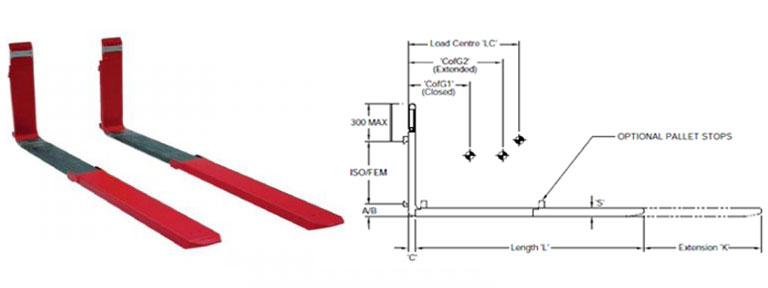
Extendable forks are designed to increase the practical length and versatility of a forklift’s lifting arrangement. In some applications, this is achieved through fork extensions that fit over existing forks for longer loads. In others, flexibility is improved through hydraulic systems such as fork positioners or specialised fork configurations that make it easier to adapt to changing load widths and handling requirements. Fork extensions are great for handling longer or bulkier loads, and fork positioners can be used across common material handling applications.

The core benefit is simple: the forklift becomes more adaptable. Instead of forcing standard forks to manage loads they were not designed for, operators can work with an attachment solution that better suits the dimensions and profile of the goods being moved.

How Extendable Forks Add Flexibility to Your Forklift

They make it easier to handle longer loads

One of the biggest reasons businesses invest in forklift attachments in South Africa is the need to move loads that extend beyond the capability of standard forks. Fork extensions are metal attachments that slide over existing forks to provide additional length for carrying larger or longer loads.

This added length can be valuable in industries where products are stored or transported in long formats. Instead of struggling with unstable support points or inefficient double-handling, operators can manage longer goods with better balance and less disruption to workflow.

They support more efficient load placement

Flexibility is not only about carrying a load. It is also about placing it accurately. Hydraulic attachment solutions help operators make fine adjustments from the seat, reducing the need to reposition the forklift repeatedly. Hydraulic adjustment mechanisms allow operators to shift forks side to side for more precise alignment and placement of loads.

When you combine better reach with better positioning, loading and unloading become smoother. That can save time at the rack, in the dispatch area, on delivery vehicles, or at production lines where speed and accuracy both matter.

They reduce unnecessary product handling

Every extra touchpoint in a material handling process introduces delay and risk. If a load has to be manually adjusted, broken down, or moved in stages because standard forks are not suitable, productivity suffers.

Extendable and hydraulic fork solutions allow businesses to handle certain loads more directly. Micron Engineering’s attachment range includes products built to manage different materials and handling scenarios, from fork positioning to specialist clamping and rotating functions. That wider capability supports streamlined workflows and helps reduce inefficient workarounds.

They help one forklift do more work

A flexible forklift is a more valuable asset. Instead of assigning different machines to closely related tasks, the right hydraulic attachment can extend the usefulness of a single forklift across multiple duties.

That matters in cost-conscious operating environments. Whether you run a medium-sized warehouse or a large industrial facility, getting more from existing equipment can improve return on investment. Micron Engineering offers a total handling solution rather than a one-size-fits-all product line, which is important for businesses looking to match attachments to actual site demands.

Why Hydraulic Forklift Attachments Matter

Hydraulic forklift attachments are powered through the forklift’s hydraulic system and are used to perform specialised tasks beyond simple lifting.

That hydraulic capability matters because it brings more control, operator convenience, and application-specific performance. It can support tasks such as adjusting fork width, shifting loads laterally, clamping products, or handling specialised materials. For businesses that move varied stock every day, hydraulic attachments can turn a standard forklift into a far more responsive and efficient machine.

Choosing the Right Forklift Attachments in South Africa

Not every attachment suits every forklift or application. Attachment selection must take into account the forklift’s carriage type, hydraulic system, and capacity.

That is a critical point. When choosing forklift attachments in South Africa, businesses should look at:

  • Application requirements: Start with the load. Are you moving longer items, bulkier goods, palletised products, fragile materials, or uneven stock? The answer will determine whether extendable forks, a fork positioner, side shifter, clamp, rotator, or another hydraulic solution is most appropriate.
  • Forklift compatibility: The attachment must match the truck correctly. Carriage class, hydraulic availability, lifting capacity, and the intended operating environment all affect performance and safety. Poor attachment matching can reduce efficiency and place unnecessary strain on equipment.
  • Duty cycle and environment: A lightly used forklift in a general warehouse may need a different solution from a heavily used machine in a demanding industrial environment. Robust construction and application-specific design matter, particularly when uptime is important.
  • Local support and engineering knowledge: South African businesses benefit from working with suppliers who understand local operating conditions and can recommend the right hydraulic forklift attachment for the job. Micron Engineering is a long-standing Southern African specialist with custom-engineered solutions and a broad attachment offering.

Typical Operations That Benefit from Extendable Forks

Extendable forks can offer strong practical value in operations such as:

  • Warehousing and distribution of oversized stock
  • Manufacturing plants with variable product dimensions
  • Building material supply and industrial yards
  • Packaging and paper handling environments
  • General material handling where load lengths change regularly

Safety Still Comes First

Flexibility should never come at the expense of safety. Any forklift attachment changes how the truck handles, lifts, and carries a load. That is why attachment choice, installation, compatibility, and operator training all matter.

Safe and effective use of hydraulic forklift attachments is a key part of the overall conversation. Attachments should be selected carefully, used within the forklift’s rated limits, and supported by proper operating procedures.

In practical terms, that means businesses should avoid guessing. The right engineering input helps ensure the attachment supports both productivity and compliance on site.

Why South African Businesses Choose Specialised Hydraulic Attachment Solutions

In South Africa, operating conditions can vary widely from one site to the next. That is why generic attachment advice is rarely enough. Businesses need solutions that fit their actual loads, handling frequency, forklift specifications, and site conditions.

We are a long-established provider of forklift attachments and handling equipment in Southern Africa, with hydraulic solutions across multiple product categories and a strong emphasis on compatibility and engineered performance.

For businesses that need more than basic lifting capability, extendable forks are often a smart starting point. They offer a practical way to improve forklift flexibility, especially when your operation depends on moving longer, irregular, or changing loads efficiently.

Get More from Every Lift

When your operation deals with variable load sizes, standard forks can quickly become a limitation. Extendable forks help remove that limitation by giving your forklift more reach, more adaptability, and more practical value in daily handling tasks.

As part of a broader hydraulic forklift attachment strategy, they can help reduce delays, support better load control, and improve the overall efficiency of your material handling process. In a competitive operating environment, that kind of flexibility matters.

FAQs About Forklift Attachments in South Africa

What are forklift attachments?

Forklift attachments are add-ons that expand the capability of a forklift beyond standard lifting. Depending on the application, they may help with extending fork reach, adjusting fork position, shifting loads, clamping products, rotating materials, or handling specialist loads.

What are extendable forks used for?

Extendable forks are used to improve the forklift’s ability to handle longer or bulkier loads. In practical terms, fork extensions add length to existing forks, helping operators support goods that would be difficult to manage safely with standard forks alone.

Are hydraulic forklift attachments better than manual options?

For many operations, hydraulic forklift attachments offer greater control and efficiency because operators can make adjustments from the seat rather than relying on manual repositioning.

How do I choose the right forklift attachment in South Africa?

You should consider the load type, your forklift’s carriage type, hydraulic system, and lifting capacity. The right attachment must match both the machine and the application.

Can forklift attachments improve productivity?

Yes. The right attachment can reduce unnecessary handling, improve load positioning, expand the range of tasks a forklift can perform, and help operators work more efficiently.

Why work with a specialist supplier of forklift attachments in South Africa?

A specialist supplier can help ensure the attachment is correctly matched to your forklift and your application. This is important for performance, durability, safety, and long-term value. Micron Engineering is a Southern African attachment specialist with over 40 years of experience and custom-engineered solutions.

Speak to Us About the Right Hydraulic Forklift Attachment Solution

If you are looking for forklift attachments in South Africa that improve flexibility, performance, and control, we can help. Our hydraulic forklift attachment solutions are built for demanding material handling applications, and we work with businesses that need dependable equipment matched to their forklift, load type, and operating conditions.

Contact us today to discuss extendable forks and other hydraulic forklift attachment options, and let us help you find the right solution for safer, smarter, more efficient lifting.

Follow us on Facebook and X(twitter)
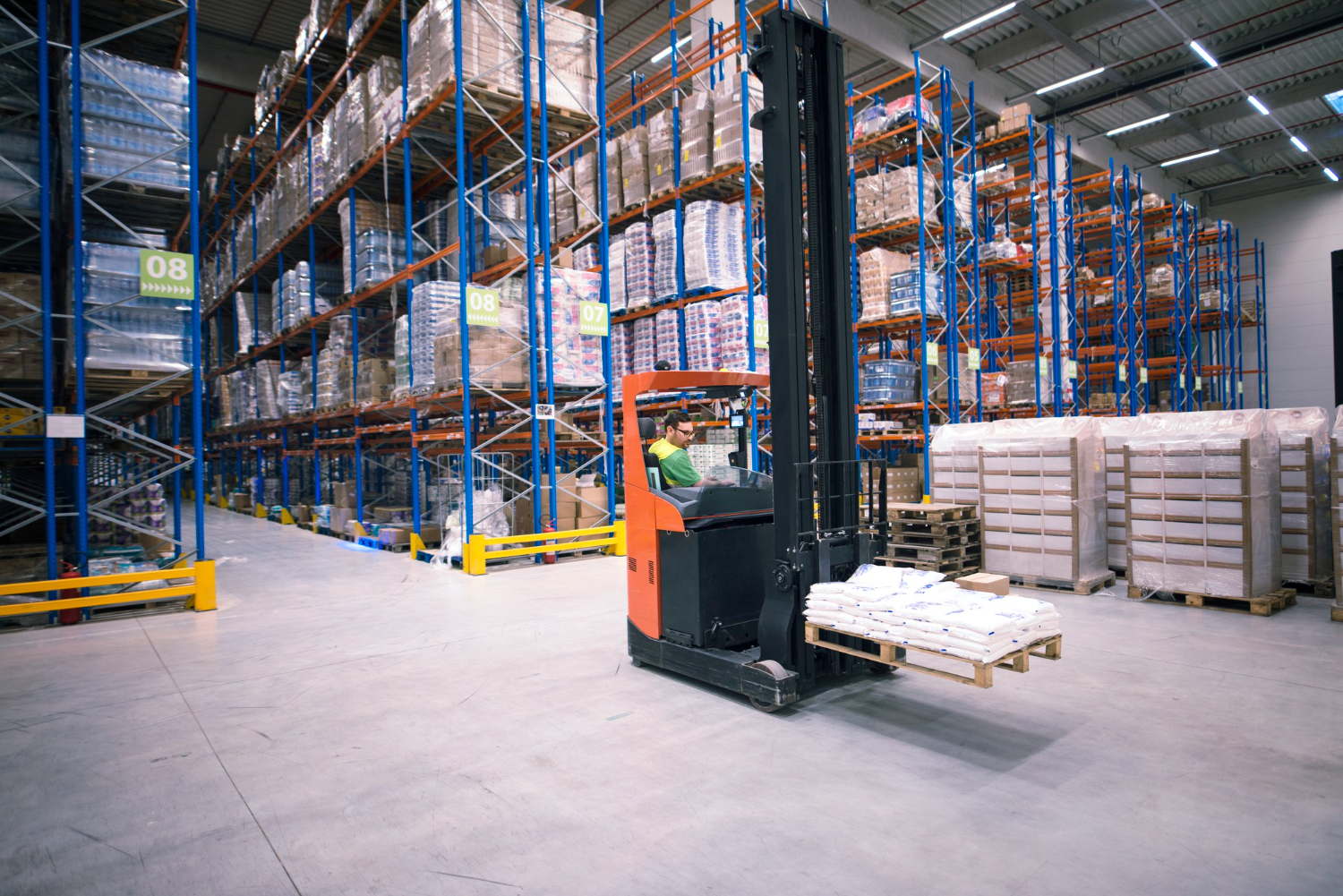
Footer