
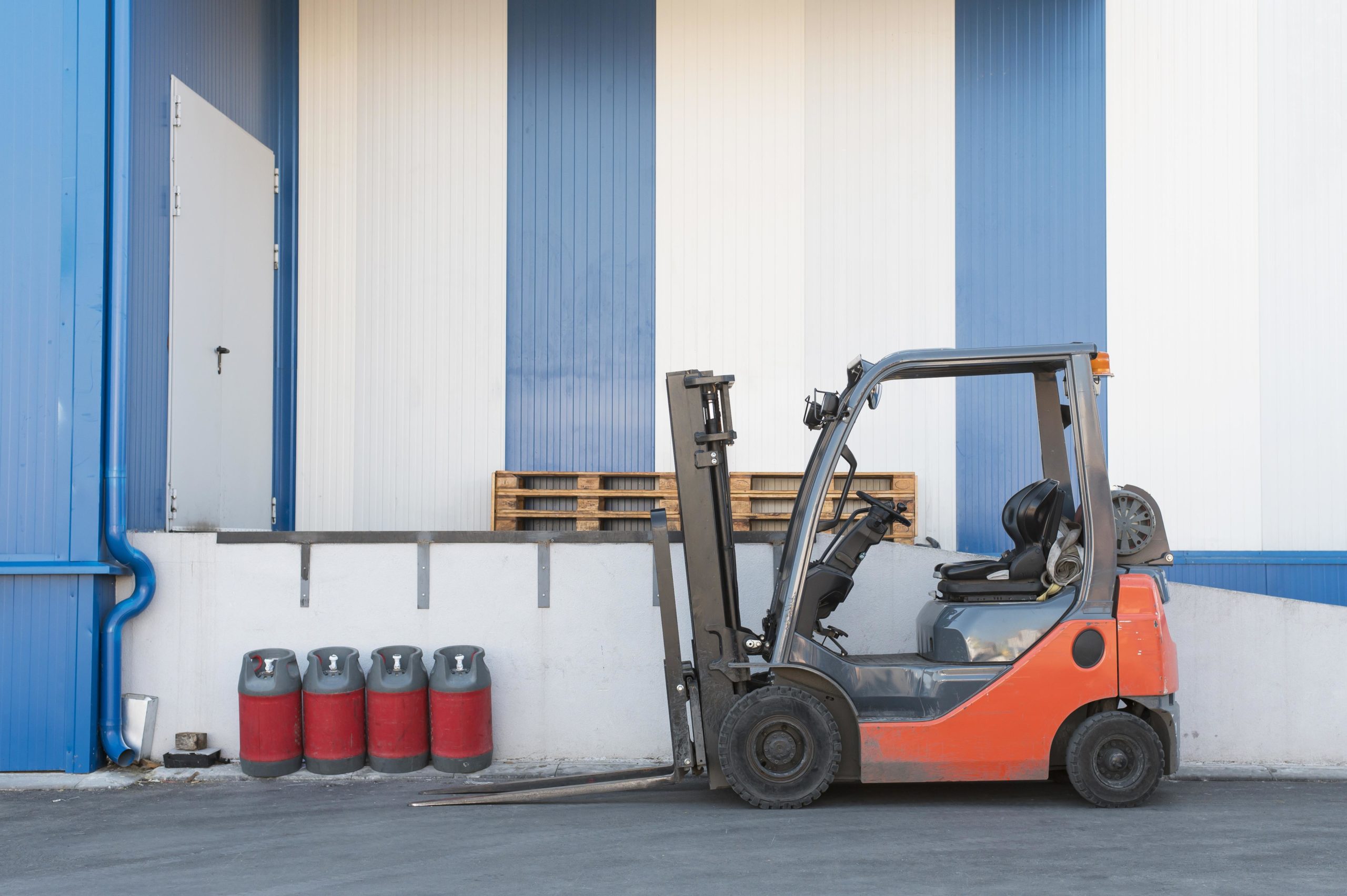
The Complete Guide to Forklift Attachments in South Africa

When you invest in a forklift, you’re not just buying a machine; you’re buying potential. The real magic happens when you match that forklift with the right forklift attachments in South Africa. Attachments turn a standard forklift into a multi-purpose workhorse that can lift, clamp, rotate, tip, position and even safely lift people when needed.

Micron Engineering supplies a wide range of forklift attachments in South Africa, helping warehouses, factories, construction sites, ports, logistics hubs and agricultural operations improve handling efficiency, reduce manual labour, and cut damage and downtime. Choosing the proper attachment for your application means safer lifting, faster loading, and better return on your equipment investment.

This guide walks you through the most commonly used forklift attachments in South Africa, how they work, where they’re used, and the benefits they offer businesses.

What are forklift attachments?

Forklift attachments are specially designed add-ons that fit onto the standard carriage, forks, or mast of a forklift. They:

  • Change how a load can be handled (e.g. clamping instead of lifting on forks)
  • Improve safety for awkward or unstable loads
  • Increase productivity by allowing multiple functions without changing machines
  • Reduce damage to products and pallets
  • Expand the capabilities of your existing fleet

Because every industry and even every site has unique handling challenges, Micron Engineering’s forklift attachments in South Africa are tailored to local environments, load types, and safety requirements.

Key benefits of forklift attachments in South Africa

Investing in the right attachments offers measurable improvements:

  • Higher productivity: Handle more in fewer moves (e.g. multiple pallets, rotating loads to tip into bins).
  • Less manual handling: Reduce lifting, pushing, and carrying by staff.
  • Improved safety: Better control of loads, lower risk of drops and tip-overs.
  • Reduced product damage: Attachments designed for your specific load type.
  • Extended forklift value: One forklift can perform multiple specialised tasks.
  • Cost savings: Avoid purchasing multiple machines for different tasks.

Types of forklift attachments Micron Engineering supplies

Below is an overview of standard forklift attachments in South Africa that Micron Engineering can supply, with typical uses and industry applications.

Standard fork tines and fork extensions

Fork tines are the basic load-bearing arms on a forklift. Micron Engineering supplies replacement tines and fork extensions that slide over the existing forks to handle longer or bulkier loads safely.

Uses

  • Extending reach to handle long pallets, steel profiles, timber or piping
  • Supporting loads that would otherwise overhang and become unstable
  • Spreading weight over a larger area to reduce point loading

Industry applications

  • Warehousing and logistics: Oversized pallets, racking systems
  • Steel and metal fabrication: Long beams, plates, bars
  • Timber and board yards: Planks, boards, laminated beams
  • Construction: Formwork, pipes, scaffolding components

Side shift attachments

A side shift allows the fork carriage to move left or right without moving the entire forklift. This attachment is often considered a “must-have” for efficient material handling.

Uses

  • Fine positioning of pallets in racking
  • Aligning loads in tight spaces
  • Reducing the need for repeated manoeuvring

Industry applications

  • High-density warehouses
  • Cold storage
  • Retail distribution centres
  • Manufacturing plants with narrow aisles

Fork positioners

Fork positioners allow the driver to hydraulically move the forks closer together or further apart from inside the cab, without leaving the forklift.

Uses

  • Quickly adjusting fork spacing for different pallet sizes
  • Ensuring forks are properly centred to avoid pallet damage
  • Handling mixed load sizes in fast-moving operations

Industry applications

  • 3PL providers and logistics hubs
  • FMCG distribution
  • Food and beverage plants
  • Any facility handling multiple pallet types

Rotators

Forklift rotators allow the forks or attached container to rotate, typically up to 360°. This makes it easy to tip, empty, or invert loads.

Uses

  • Emptying bins, crates, or tubs
  • Discharging waste, scrap, or product into hoppers
  • Inverting loads during production processes

Industry applications

  • Agriculture: Tipping bulk produce bins
  • Food processing: Emptying mixing containers
  • Recycling and waste management: Tipping bins into compactors or containers
  • Foundries and metalworking: Emptying scrap bins or moulds

Clamps (bale, carton, drum and more)

Clamps are designed to grip loads rather than support them on forks. Micron Engineering’s range of forklift attachments in South Africa can include various clamp designs tailored to specific materials.

Bale clamps

  • Uses: Handling bales of cotton, wool, textile, waste paper or recycled materials.
  • Industries: Recycling, textile, agriculture, waste management.

Carton and appliance clamps

  • Uses: Handling white goods (fridges, stoves) and large boxed items without pallets.
  • Industries: Appliance distribution, retail warehouses, logistics.

Drum clamps

  • Uses: Safely handling 210L steel or plastic drums; lifting one or multiple drums at a time.
  • Industries: Chemical, petrochemical, lubricants, food processing, and paint manufacturers.

Jibs and crane boom attachments

Jib and crane boom attachments convert your forklift into a small mobile crane, with a hook at the end for slinging loads.

Uses

  • Lifting loads that cannot be palletised
  • Handling machinery, motors, and awkward plant items
  • Loading and unloading equipment where a crane is not available

Industry applications

  • Engineering workshops and fabrication shops
  • Maintenance departments
  • Construction sites
  • Plant hire and equipment rental companies

Load buckets, scoops and tipping skips

Buckets, scoops, and tipping skips let a forklift handle loose materials such as sand, gravel, scrap, or waste.

Uses

  • Scooping up material from the ground
  • Transporting loose bulk materials around the site
  • Tipping materials into trucks, hoppers or skips

Industry applications

  • Construction and civil works
  • Mining and quarrying
  • Agriculture and bulk handling
  • Waste and recycling facilities

Man cages/work platforms

A man cage (or work platform) is a safety-rated cage that attaches to the forklift’s forks to safely lift people for working at height. These must be designed and used in accordance with local safety regulations.

Uses

  • Maintenance at height (lights, signage, racking, roof work)
  • Stocktaking in high racking
  • Inspection of overhead plant and services

Industry applications

  • Warehouses and distribution centres
  • Industrial facilities and factories
  • Retail stores with high shelving
  • Maintenance contractors

Important: Man cages must be properly engineered, certified, and used with clear procedures and operator training. Micron Engineering can guide you on the correct specifications.

Push-pull and slip-sheet attachments

Push-pull attachments allow forklifts to handle loads on slip-sheets (thin plastic or cardboard sheets) instead of pallets, reducing pallet costs and improving hygiene.

Uses

  • Loading and unloading slip-sheeted loads
  • Reducing or eliminating wooden pallets in clean areas
  • Export loading, where one-way pallets are costly

Industry applications

  • Food and beverage manufacturers
  • Frozen and chilled goods
  • Export operations
  • High-volume, cost-conscious distribution

Multipallet handlers

Multipallet handlers enable forklifts to handle two or more pallets at once, side by side, using extra pairs of forks and hydraulic movement.

Uses

  • Doubling handling capacity for uniform loads
  • Reducing loading/unloading times for trucks and containers

Industry applications

  • High-volume beverage distribution
  • Retail distribution centres
  • Bulk palletised goods

How to choose the right forklift attachments in South Africa

With so many options, choosing the right forklift attachments in South Africa comes down to a few key factors.

Define your load

  • What are you lifting? (pallets, rolls, bales, drums, loose material, machinery, people)
  • How heavy are the loads?
  • What are the dimensions and centre of gravity?
  • Are they fragile, slippery, or irregular?

Understand your environment

  • Indoor or outdoor use?
  • Floor conditions and gradients?
  • Aisle widths and turning space?
  • Racking heights and clearances?

Check forklift capacity and specifications

  • Rated capacity at the required lift height
  • Mast and carriage type
  • Hydraulic function availability
  • Any existing attachments fitted

Remember: Attachments add weight and change the load centre. Your forklift’s effective capacity will be reduced. Micron Engineering can help calculate the derated capacity to ensure safe operation.

Compliance and safety

  • Ensure attachments comply with relevant local standards
  • Check that data plates and load charts are updated
  • Train operators on new attachment use
  • Implement safe operating procedures and regular inspections

Partner with specialist suppliers

Micron Engineering offers guidance on selecting, installing, and maintaining forklift attachments in South Africa, so your solution is technically correct, safe, and suited to your operation, not just a generic add-on.

Best Practices For Safe Use Of Forklift Attachments

  • Always follow manufacturer guidelines for fitting, operating, and maintaining attachments.
  • Update the forklift load chart after fitting an attachment.
  • Train operators on the specific attachment; it will handle differently from standard forks.
  • Inspect attachments regularly for cracks, bent components, worn pins and hydraulic leaks.
  • Never exceed the rated capacity of the attachment or the derated capacity of the forklift.
  • Use locking pins and safety chains where specified.
  • Avoid sudden movements when carrying unusual or suspended loads.

Why choose Micron Engineering for forklift attachments in South Africa?

Micron Engineering provides:

  • A comprehensive range of forklift attachments for different industries and load types
  • Engineering expertise to match attachments with your forklift specifications
  • Custom solutions for unique handling challenges
  • Local support and service, ensuring your attachments stay safe and productive
  • Advice on capacity, safety and compliance, helping you meet site and legal requirements

Whether you’re upgrading a single forklift or equipping an entire fleet, Micron Engineering’s forklift attachments in South Africa are designed to help you work smarter, safer, and more profitably.

FAQs about forklift attachments

What are the most common forklift attachments in South Africa?

Some of the most widely used forklift attachments in South Africa include fork extensions, side shifts, fork positioners, rotators, clamps (drum, bale, carton), jibs/booms, tipping skips, man cages, and multi-pallet handlers. The right choice depends on your loads and industry.

Do forklift attachments affect the lifting capacity of my forklift?

Yes. Every attachment adds weight and may move the load centre further away from the mast. This reduces the forklift’s effective capacity. Always consult the attachment supplier and ensure your load chart is updated to reflect the derated capacity.

Can any forklift use any attachment?

Not necessarily. The attachment must be compatible with the forklift’s carriage type, hydraulic system, and capacity. Micron Engineering can evaluate your forklift and recommend suitable attachments that meet the technical and safety requirements.

Are special licenses required to operate forklifts with attachments?

Operators must already be licensed for the class of forklift they are using. In addition, they should receive specific training on the safe use, limitations, and operating techniques for each attachment. Many safety standards and company policies require this additional training.

How do I know which attachment I need?

Start by analysing your loads, your environment, and your workflow:

  • What are you handling?
  • Where and how often?
  • What issues are you trying to solve (damage, speed, safety, manual handling)?

Discuss this with Micron Engineering. Our team can recommend the most effective forklift attachments in South Africa for your specific application.

Can forklift attachments be customised?

Yes. In many cases, we can supply or engineer custom attachments tailored to your unique load or handling challenge, for example, special jibs, custom clamps, or dedicated stillage handling frames.

How often should forklift attachments be inspected?

Attachments should be visually checked daily by operators and formally inspected at scheduled intervals as part of your lifting equipment maintenance plan. The frequency depends on usage intensity, environment, and statutory requirements. Any damage, excessive wear, or hydraulic leaks should be reported and repaired immediately.

What industries benefit most from forklift attachments?

Almost every industry that uses forklifts can benefit, including:

  • Warehousing and logistics
  • Manufacturing and engineering
  • Food and beverage production and distribution
  • Agriculture and bulk handling
  • Recycling, waste and scrap yards
  • Construction and building materials
  • Chemical and petrochemical plants

Each sector has its own preferred forklift attachments in South Africa, but all gain from the increased efficiency and safety.

Ready to upgrade your forklift capability?

The right forklift attachments in South Africa can transform your forklifts into multi-purpose, high-performance machines that do far more than simply lift pallets. If you’d like expert guidance on selecting, installing, and maintaining forklift attachments that match your equipment and your operation, Micron Engineering is ready to help.

Contact Micron Engineering today to discuss your loads, challenges, and goals, and unlock the full potential of your forklifts.

Follow us on facebook and X (twitter).

Rotate with Ease: The Ultimate Drum Handling Forklift Attachment

Rotate with Ease: The Ultimate Drum Handling Forklift Attachment

In industries where efficiency and safety are non-negotiable, the handling of heavy, liquid-filled, or hazardous drums can pose unique challenges. From manufacturing plants and chemical processing facilities to food production and logistics operations, safely rotating and pouring drum contents requires precision equipment designed for control, reliability, and operator protection.

That’s where the drum rotator forklift attachment comes in — a specialised innovation that transforms an ordinary forklift into a high-performance drum handling tool. Micron Engineering supplies a wide range of premium forklift attachments across South Africa, including high-quality drum rotator forklift attachments designed to simplify operations and improve workplace productivity.

What Is a Drum Rotator Forklift Attachment?

A drum rotator forklift attachment is a purpose-built add-on that mounts to a forklift, allowing operators to safely lift, rotate, and pour drums or barrels with minimal manual handling. It’s engineered to grip drums securely, rotate them through controlled angles (often up to 180° or 360°), and discharge their contents with accuracy.

These attachments are compatible with both steel and plastic drums, making them suitable for diverse applications, from chemical and paint manufacturing to food processing, waste management, and industrial production.

Drum rotators can be mechanically, hydraulically, or chain-operated, depending on the level of precision and control required. Hydraulic models, for instance, enable operators to perform drum rotations directly from the forklift seat, reducing physical strain and improving safety.

Key Benefits of a Drum Rotator Forklift Attachment

  • Enhanced Safety: Manual drum handling is not only labour-intensive but also hazardous. With drums often weighing between 100 and 350 kg (and sometimes more when filled), improper lifting or tilting can lead to spills, injuries, and product waste. A drum rotator forklift attachment eliminates the need for manual tilting or pouring, ensuring that materials are transferred safely and efficiently while keeping operators out of harm’s way.
  • Precision and Control: These attachments allow for precise control over rotation angles, making them ideal for processes that require careful pouring or emptying. Hydraulic drum rotators, in particular, allow operators to manage speed and tilt with smooth, effortless control.
  • Improved Productivity: By automating the lifting and rotating process, workers can move more drums in less time. This efficiency boost translates into faster material handling cycles, less downtime, and reduced operational costs.
  • Versatility: A drum rotator forklift attachment can handle various drum types, including steel, plastic, and fibre drums, making it a versatile tool across multiple industries. It’s compatible with standard forklift tines and requires minimal setup.
  • Reduced Product Waste: Precise rotation and pouring help prevent product spills and contamination, reducing material loss and ensuring cleaner, more efficient operations.
  • Increased Ergonomic Efficiency: By eliminating the need for manual drum handling, operators avoid unnecessary bending, lifting, and twisting, reducing fatigue and the risk of workplace injury.

Applications of Drum Rotator Forklift Attachments

Drum rotator forklift attachments are widely used in industries that depend on efficient handling of liquids, powders, and granules stored in drums or barrels. Some typical applications include:

  • Chemical and Paint Manufacturing: For safe transfer of solvents, coatings, and liquid chemicals.
  • Food and Beverage Processing: For mixing or emptying ingredients, syrups, and food products stored in large drums.
  • Pharmaceutical Industry: For hygienic handling of powders and chemicals.
  • Waste Management: For controlled disposal or recycling of liquid waste materials.
  • Agriculture: For transferring feed, fertiliser, or other bulk materials stored in drums.
  • Mining and Manufacturing: For processing lubricants, coolants, and other fluids used in production.

Wherever drums need to be lifted, turned, or emptied, a drum rotator forklift attachment is an invaluable addition to your equipment fleet.

Hydraulic Drum Rotators

Micron Engineering offers hydraulic drum rotator forklift attachments to suit specific operational needs:

  • Controlled directly from the forklift’s hydraulic system.
  • Offers precision pouring and rotation up to 360°.
  • Perfect for industries requiring high efficiency and safety.

Why Choose Micron Engineering?

As a leading South African supplier of forklift attachments, Micron Engineering is trusted by businesses across the industrial, manufacturing, and logistics sectors for our commitment to quality, innovation, and service excellence.

When it comes to drum rotator forklift attachments, we provide solutions that are:

  • Durable: Built from high-grade materials for long-lasting performance.
  • Safe: Designed to meet international safety standards for material handling.
  • Efficient: Maximising workflow productivity while reducing manual effort.
  • Customisable: Tailored to fit your specific forklift model and handling requirements.

We combine deep technical expertise with responsive customer support, ensuring that every product we supply adds measurable value to your operations.

Maintaining Your Drum Rotator Forklift Attachment

To ensure consistent performance and longevity, follow these simple maintenance practices:

  • Inspect Regularly: Check clamps, gears, and rotating mechanisms for signs of wear or damage.
  • Lubricate Moving Parts: Keep mechanical and hydraulic components well-lubricated to maintain smooth operation.
  • Clean After Use: Prevent buildup of residue or corrosion by cleaning after handling liquids or powders.
  • Test Hydraulic Systems: Regularly check hoses, fittings, and pressure systems for leaks.
  • Follow Manufacturer Guidelines: Always refer to the product manual for maintenance intervals and operational recommendations.

Proper care ensures safe operation and extends the service life of your drum rotator forklift attachment.

FAQs About Drum Rotator Forklift Attachments

What is a drum rotator forklift attachment used for?

A drum rotator forklift attachment enables forklifts to safely and efficiently lift, rotate, and pour the contents of drums, thereby reducing manual handling and improving workplace safety.

Are drum rotator attachments compatible with all forklifts?

Most attachments are compatible with standard forklifts, but specifications may vary. Micron Engineering can assist in selecting or customising an attachment for your model.

What types of drums can be handled?

They are suitable for steel, plastic, and fibre drums, making them ideal for industries like chemicals, food processing, and manufacturing.

Do you offer hydraulic drum rotators?

Yes. Micron Engineering supplies hydraulic drum rotator forklift attachments for operations requiring precise, hands-free control.

How do I maintain a drum rotator attachment?

Regular inspections, lubrication, and cleaning are essential. Hydraulic models should also be checked for hose integrity and pressure consistency.

Can I purchase a customised attachment?

Absolutely. We design and supply custom drum handling attachments tailored to your unique operational needs.

Micron Engineering — Your Partner in Smarter Material Handling

We believe that innovation drives productivity. Our drum rotator forklift attachments are built to enhance safety, speed, and precision in drum handling, empowering your business to operate more efficiently than ever before.

Whether you’re upgrading your material handling capabilities or looking for custom-engineered solutions, our expert team is ready to help.

Contact Micron Engineering today to learn more about our drum rotator forklift attachments and other forklift handling solutions.

Follow us on facebook or X.

Elevate Safety: The Smart Solution of Forklift Work Platforms

Elevate Safety: The Smart Solution of Forklift Work Platforms

In a fast-paced industrial and commercial environment, efficiency and safety must go hand in hand. Forklifts are already indispensable tools in warehouses, factories, and construction sites. But when paired with a forklift work platform, their versatility expands significantly. These platforms transform forklifts into safe, mobile elevated workstations that allow workers to perform tasks at height quickly and securely.

Micron Engineering specialises in forklift attachments, including high-quality work platforms designed to enhance both safety and productivity. By investing in these solutions, companies not only meet strict safety standards but also improve efficiency across their operations.

What Is a Forklift Work Platform?

This platform is a specially engineered attachment that mounts securely to a forklift’s forks. It provides a safe, stable, and elevated space where workers can perform tasks that would otherwise require ladders or scaffolding.

Constructed from durable steel and equipped with guardrails, slip-resistant flooring, and secure locking mechanisms, forklift work platforms are designed to prioritise worker safety while enabling quick access to hard-to-reach areas.

The Advantages of These Work Platforms

  • Improved Safety: Working at heights carries risks. They are designed with safety rails, toeboards, and harness attachment points to ensure workers remain secure. By replacing ladders or makeshift solutions, these platforms reduce the risk of falls or accidents.
  • Enhanced Efficiency: Forklift work platforms are easily attached and detached, providing a quick solution for elevated tasks. Workers can complete jobs faster, minimising downtime and increasing overall productivity.
  • Cost-Effective Solution: Instead of investing in expensive scaffolding or powered access equipment, forklift work platforms provide an affordable alternative. Since they utilise forklifts already on-site, the cost of operation is minimal.
  • Versatility Across Applications: From warehouse stock-taking and maintenance tasks to lighting installations and repair work, forklift work platforms offer flexibility across a wide range of industries.
  • Compliance with Safety Standards: When manufactured and used correctly, forklift work platforms comply with occupational health and safety standards, ensuring your business remains legally compliant while protecting employees.

Applications of Forklift Work Platforms

Forklift work platforms are widely used in industries such as:

  • Warehousing: Stock-taking, inventory audits, and overhead maintenance.
  • Manufacturing: Equipment inspections, facility repairs, and overhead line checks.
  • Retail Distribution: Safe access to high shelving and racking.
  • Construction: Supporting tradespeople for short-duration work at height.
  • Facilities Maintenance: Replacing lights, cleaning high surfaces, or repairing infrastructure.

Key Features of Forklift Work Platforms

When sourcing a forklift work platform from Micron Engineering, you can expect:

  • High-Strength Steel Construction: Built to withstand industrial use.
  • Secure Fork Pocket Design: Ensures the platform attaches safely to the forklift.
  • Non-Slip Flooring: Provides a safe surface for workers.
  • Guardrails and Toe Boards: Prevent falls and protect tools and equipment.
  • Compliance with Standards: Engineered in line with occupational health and safety requirements.

Why Choose Micron Engineering for Forklift Work Platforms?

Micron Engineering is committed to providing forklift attachments that combine safety, quality, and durability. Our advantages include:

  • Trusted Expertise: As a leading provider of forklift attachments, we understand the demands of heavy industry and logistics.
  • Quality Manufacturing: Platforms built to withstand South Africa’s most demanding working environments.
  • Custom Solutions: Work platforms tailored to your unique operational needs.
  • Safety-First Approach: Every product is designed with worker protection as a top priority.
  • Comprehensive Support: From advice and sales to ongoing support, we’re with you every step of the way.

Best Practices for Using Forklift Work Platforms

To maximise safety and efficiency, companies should follow these guidelines:

  • Operator Training: Ensure forklift operators and platform users are fully trained.
  • Routine Inspections: Regularly check platforms for wear, damage, or corrosion.
  • Secure Attachment: Always verify the platform is locked into place before use.
  • Weight Limits: Never exceed the recommended load capacity.
  • Personal Protective Equipment (PPE): Workers should wear harnesses where required.

By following these practices, you can ensure that your investment in a forklift work platform delivers long-lasting value and safety.

FAQs About Forklift Work Platforms

What is a forklift work platform used for?

It is used to safely elevate workers for tasks such as maintenance, stock-taking, and facility inspections.

Are forklift work platforms safe?

Yes, when designed and used correctly, they meet safety standards and provide a secure alternative to ladders or scaffolding.

Can any forklift use a work platform?

Most forklifts can use work platforms, but it’s essential to ensure compatibility with weight capacity and fork size.

Do workers need special training to use them?

Yes. Operators and users should undergo training to ensure safe handling and compliance with regulations.

How many people can work on a forklift platform at once?

This depends on the platform size and load rating. Always follow the manufacturer’s guidelines.

Why choose a forklift work platform over scaffolding?

Platforms are faster to set up, more cost-effective, and ideal for short-duration tasks, making them a practical alternative to scaffolding.

Contact Micron Engineering Today

The forklift work platform is a smart, cost-effective, and safe solution for industries needing reliable access to elevated areas. By transforming forklifts into mobile workstations, these platforms improve efficiency while safeguarding workers.

We are proud to provide durable, compliant, and high-performing forklift work platforms that meet the needs of South Africa’s industries. Whether for warehousing, manufacturing, or maintenance, our solutions empower businesses to work smarter and safer.

Contact Micron Engineering today to learn more about our forklift work platforms and discover how we can help elevate your operations.

Lift Beyond Limits: Discover the Versatility of Forklift Boom Attachments

Lift Beyond Limits: Discover the Versatility of Forklift Boom Attachments

Among the most valuable upgrades for forklifts are forklift booms attachments: versatile hydraulic tools that transform a standard forklift into a multifunctional lifting powerhouse.

Micron Engineering, a trusted name in hydraulic forklift attachments in South Africa, supplies robust and reliable boom attachments designed for demanding applications. Whether in construction, manufacturing, warehousing, or logistics, forklift booms extend the capabilities of standard forklifts, offering greater reach, flexibility, and load handling efficiency.

What Are Forklift Booms Attachments?

Forklift booms attachments are extendable, often telescopic, accessories that mount to the carriage or forks of a forklift, enabling it to handle longer, bulkier, or more irregular loads. Essentially, they turn your forklift into a crane-like machine, increasing its functionality without the need to invest in an entirely new piece of equipment.

Booms may be:

  • Fixed or Telescoping: Adjustable lengths for various lifting tasks
  • Pivoting: Allow for angular movements
  • Hydraulic or Manual: Operated using the forklift’s hydraulic system or adjusted manually

These attachments are ideal for lifting materials that are too long or unwieldy for pallet forks, including pipes, steel beams, HVAC (heating, ventilation, and air conditioning) units, or equipment.

Benefits of Forklift Booms Attachments

Versatility in Lifting

Booms expand a forklift’s usefulness beyond standard palletised loads. They allow for vertical and angled lifting, which is crucial for accessing awkward areas or hoisting over obstacles.

Increased Reach and Height

Telescopic booms allow operators to reach over, across, or onto high shelving or platforms, reducing the need for additional cranes or hoists in smaller facilities.

Cost-Effective Expansion

Rather than purchasing a crane or telehandler, a forklift boom attachment provides an affordable upgrade that enhances existing equipment.

Quick Installation

Most booms are easily installed using standard mounting hardware, with minimal downtime and no need for extensive training.

Improved Load Handling for Non-Standard Items

Booms are perfect for handling irregular or oversized loads that can’t be safely placed on pallets. This includes:

  • Pipes
  • Steel rods
  • HVAC units
  • Machinery components

Improved Safety and Control

When paired with the right forklift and operated correctly, boom attachments offer better stability and control over awkward lifts compared to ad hoc or manual methods.

Types of Forklift Boom Attachments Supplied by Micron Engineering

Micron Engineering offers a wide range of high-performance forklift boom attachments designed for durability, compatibility, and ease of use.

Telescopic Booms

  • Adjustable length for extended reach
  • Ideal for lifting to higher elevations
  • Multiple hook points for load control

Pivoting Booms

  • Swivel-mounted for angled lifting
  • Great for tight spaces or awkward angles

Fixed-Length Booms

  • Simple, cost-effective lifting solution
  • Suitable for routine tasks with consistent load sizes

Hydraulic Booms

  • Powered by the forklift’s hydraulic system
  • Allow precise control of movement and angle
  • Faster and safer operation

Custom Attachments

  • Built to client specs for unique applications
  • Engineered for compatibility with specific forklift models and load types

All of Micron Engineering’s boom attachments are constructed from high-grade steel, with a focus on performance, operator safety, and long-term durability.

Common Applications for Forklift Boom Attachments

  • Manufacturing Facilities: Move and position large components, such as moulds, dies, and equipment using Forklift Booms.
  • Construction Sites: Forklift Booms make it easier to lift and transport long steel beams, HVAC systems, scaffolding, or building panels to elevated positions.
  • Shipping Yards: Load and unload large items that do not fit in standard containers or require vertical positioning with the aid of Forklift Booms.
  • Maintenance and Repair: Hoist engines, industrial parts, or perform on-site machine repairs in tight spaces with the help of Forklift Booms.
  • Lumber and Pipe Yards: Handle long materials like timber, PVC piping, or rebar with precision and safety using specialized Forklift Booms.

Why Choose Micron Engineering for Forklift Boom Attachments?

As a leading South African supplier of hydraulic forklift attachments, including Forklift Booms, Micron Engineering brings decades of engineering experience to the field of industrial material handling. Here’s why businesses across South Africa trust our solutions:

  • Engineering Expertise: Our designs are informed by real-world industrial needs and refined through years of experience in hydraulics and manufacturing.
  • Locally Manufactured: We manufacture attachments locally, ensuring quick lead times, local support, and cost-effective pricing.
  • Built to Last: Our boom attachments are constructed from industrial-grade materials and thoroughly tested for strength, stability, and safety.
  • Wide Compatibility: We design our attachments to work with the most common forklift models used in South African industries.
  • Custom Solutions Available: No two jobs are the same. That’s why we offer custom-built boom attachments for clients with unique requirements.

Tips for Safe Use of Forklift Boom Attachments

  • Know Your Load Limits: Always follow the forklift’s derated lifting capacity when a boom is attached.
  • Use Certified Attachments:  Only use boom attachments that are approved and tested for your equipment.
  • Train Operators: Proper training ensures safe and efficient use of attachments.
  • Conduct Regular Inspections: Check for signs of stress, fatigue, or wear before each use.
  • Balance the Load: Improperly distributed weight can lead to instability or tipping.

FAQs About Forklift Boom Attachments

What is the lifting capacity of a forklift boom attachment?

The lifting capacity depends on the forklift’s original capacity, the boom’s length, and the angle of lift. It’s essential to consult the derated load chart for safe operation.

Can any forklift use a boom attachment?

Most modern forklifts can use boom attachments, but the attachment must be compatible with the model and load specifications. Micron Engineering provides guidance and customisation if needed.

What industries use forklift boom attachments?

Construction, manufacturing, logistics, warehousing, shipping, mining, and maintenance are just a few sectors that benefit from these attachments.

Are forklift boom attachments safe?

Yes, when installed and used correctly. Proper training, load awareness, and regular maintenance ensure safe operation.

How are forklift boom attachments installed?

Most are designed for easy mounting, either on the carriage or over the forks, using standard attachment mechanisms. Hydraulic models require coupling with the forklift’s hydraulic system.

Get the Right Forklift Boom Attachment with Micron Engineering

Don’t let standard equipment limit your operations. Expand your lifting potential with Micron Engineering’s forklift boom attachments, engineered for performance, durability, and safety. Whether you need a fixed boom for routine tasks or a telescopic hydraulic boom for heavy-duty lifts, we’ve got the solution for you.

Ready to lift beyond limits? Contact Micron Engineering today.

Follow us on facebook and X

What You Need to Know About Forklift Boom Attachments

Forklift boom attachments SA have become indispensable in material handling and logistics for industries requiring enhanced versatility and reach from standard forklifts. Micron Engineering is a trusted supplier of hydraulic forklift attachments, including durable, high-performance boom attachments designed for diverse applications.

If you’re looking to increase your forklift’s flexibility and lifting capacity, a forklift boom attachment SA could be exactly what you need. This guide covers everything you need to know about these attachments, from their functionality and types to advantages and industry applications.

What Are Forklift Boom Attachments?

A forklift boom attachment is a specialized extension designed to fit onto a standard forklift. It transforms the forklift into a mobile crane, capable of lifting and maneuvering items that are awkward, oversized, or difficult to handle with regular forks.

Booms typically mount directly onto the carriage or forks of a forklift and can be fixed, extendable, or articulating, depending on the operation’s lifting needs. They are often fitted with a lifting hook or eye, allowing operators to handle slung loads such as engines, pipes, or construction materials.

Types of Forklift Boom Attachments

Micron Engineering supplies various forklift boom attachments, each tailored to meet different lifting requirements:

  • Fixed Forklift Booms: straightforward, non-adjustable extensions ideal for repetitive lifts with consistent reach requirements.
  • Telescopic Forklift Booms: extendable booms that adjust in length to handle items at varying distances—perfect for loading/unloading trailers or reaching into confined spaces.
  • Articulating (Pivoting) Booms: provide angular movement for increased maneuverability, common in construction and maintenance tasks.

Key Benefits of Forklift Boom Attachments

  • Enhanced Versatility: convert a standard forklift into a mobile crane for various lifting tasks.
  • Extended Reach: access high or distant areas, such as stacking pipes or reaching over obstacles.
  • Reduced Equipment Needs: eliminates the need for a separate crane in many use cases.
  • Improved Safety: designed with load stability in mind, especially when lifting irregularly shaped or slung loads.
  • Increased Productivity: speeds up operations that would otherwise require multiple machines or additional labor.

Applications Across Industries

Forklift boom attachments are widely used in multiple sectors due to their versatility:

  • Construction: lifting and positioning beams, trusses, scaffolding, and heavy tools.
  • Warehousing: managing large or bulky inventory items, particularly in racking systems.
  • Manufacturing: moving machinery, molds, and components within production areas.
  • Shipping and Logistics: loading containers and trucks with difficult-to-handle goods.
  • Agriculture: handling irrigation equipment, fencing poles, or feed containers.
  • Mining and Energy: positioning pipes, cables, and maintenance tools in tight operational spaces.

Choosing the Right Forklift Boom Attachment

When selecting a forklift boom attachment, consider the following:

  • Lifting Capacity: always check your forklift’s load capacity and match it to the boom’s rated load at various extension lengths. Never exceed the recommended limit.
  • Reach Requirements: evaluate how far and how high you need to lift. Telescopic booms offer adjustable lengths to accommodate varying tasks.
  • Load Type: determine whether you’ll lift slung loads, rigid materials, or specific equipment—attachment compatibility is essential for safety and efficiency.
  • Mounting Method: some booms fit over the forks, while others mount directly to the carriage. Choose the method that best suits your forklift’s type and usage patterns.
  • Compliance: ensure the attachment complies with local safety regulations, including proper load charts, locking mechanisms, and operator training requirements.

Why Choose Micron Engineering?

As a leading supplier of hydraulic forklift attachments, Micron Engineering offers:

  • Robust, locally manufactured forklift boom attachments
  • Hydraulic integration options for precision and ease of use
  • Custom solutions based on your operational environment
  • Expert guidance on selecting the right attachment for your needs
  • Reliable support and maintenance services

Our forklift boom attachments are designed for durability, safety, and adaptability, making them an essential upgrade for any business requiring efficient material handling.

Frequently Asked Questions About Forklift Boom Attachments

What is the maximum weight a forklift boom can lift?

The lifting capacity varies depending on the forklift’s model and the boom’s extension length. To avoid overloading, always consult the manufacturer’s load chart.

Can forklift booms be used for overhead lifting?

Yes, but they must comply with lifting regulations. Make sure certified hooks and slings are used, and that operators are trained in overhead lifting procedures.

Are hydraulic boom attachments better than manual ones?

Hydraulic attachments offer greater control, ease of use, and precision, making them ideal for frequent or complex lifting tasks.

Do forklift boom attachments require special licensing?

Operators should be trained in handling forklifts with attachments, especially for overhead or slung loads.

Can I customize a forklift boom attachment?

Absolutely. At Micron Engineering, we can custom-engineer forklift boom attachments to meet specific load sizes, reach requirements, and industry conditions.

Upgrade Your Forklift with a Boom Attachment Today

If you want to expand your forklift fleet’s capabilities, Micron Engineering’s forklift boom attachments offer a dependable, cost-effective solution. Whether handling machinery, navigating confined spaces, or reaching difficult heights, our attachments are built to perform safely and efficiently.

Contact our team today for more information.

Four Reasons to Use Forklift Fork Extensions

Forklift fork extensions are indispensable tools for material handling in warehouses, construction sites, and industrial facilities. They extend the length of a forklift’s forks, allowing operators to safely and efficiently handle oversized or unusually shaped loads. This article delves into four compelling reasons to use forklift fork extensions and how they can improve your operations.

What Are Forklift Fork Extensions?

Forklift fork extensions are metal attachments designed to slide over the existing forks of a forklift, providing additional length for carrying larger or longer loads. Typically made from durable steel, they are secured with locking mechanisms to ensure safety and stability during operation.

Four Reasons to Use Forklift Fork Extensions

Increased Load Capacity

Forklift fork extensions enable the handling of oversized and lengthy loads that exceed the dimensions of standard forks. Whether pallets, long pipes, lumber, or steel beams, these extensions provide the necessary reach to move bulky items securely.

Benefits:

  • Prevents load instability by evenly distributing weight.
  • Reduces the risk of damage to goods during transportation.
  • Enhances the versatility of forklifts for different applications.

Enhanced Safety

Workplace safety is a primary concern in material handling. Using forklift extensions ensures loads are supported correctly, reducing the risk of accidents caused by overhanging or improperly balanced items.

Benefits:

  • Minimises tipping risks for forklifts when carrying long loads.
  • Reduces the chances of injuries caused by falling materials.
  • Improves overall workplace safety compliance.

Improved Efficiency

Forklift extensions streamline operations by allowing operators to handle larger loads in fewer trips. This increased efficiency reduces operational time and labour costs while boosting productivity.

Benefits:

  • Cuts down on multiple trips for moving large or lengthy items.
  • Speeds up loading and unloading processes.
  • Maximises the use of forklifts without the need for larger equipment.

Cost-Effective Solution

Instead of investing in specialised forklifts or additional equipment, fork extensions offer a cost-effective way to expand the capabilities of your existing fleet. They are easy to install and remove, providing flexibility for varied applications.

Benefits:

  • Eliminates the need for more expensive machinery.
  • Provides a quick and affordable solution for occasional use.
  • Durable construction ensures long-term usability and minimal maintenance.

Key Considerations for Using Forklift Fork Extensions

While forklift fork extensions offer many advantages, it’s essential to follow these best practices:

  • Weight Limits: Ensure the extensions and forklift can handle the load weight safely.
  • Length Proportion: To maintain stability, the extensions should not exceed 150% of the original fork length.
  • Securing Mechanisms: Use locking pins or chains to keep extensions securely in place.
  • Operator Training: Train operators to use extensions safely and efficiently.

FAQs About Forklift Fork Extensions

What are forklift extensions made of?

Forklift extensions are typically made from high-strength steel, ensuring durability and resistance to heavy loads.

How do I choose the right size of fork extensions?

The length and width of the extensions should match the size of your forklift’s forks. Extensions should not exceed 150% of the original fork length.

Are forklift fork extensions safe to use?

Yes, they are safe when used correctly. Always follow weight limits, secure the extensions properly, and ensure operators are trained.

Can fork extensions damage my forklift?

Using extensions within recommended limits won’t damage your forklift. However, overloading or improper installation can put unnecessary strain on the machine.

Are forklift fork extensions easy to install?

Yes, they are designed for quick installation. Most extensions slide over the existing forks and are secured with locking mechanisms.

Do I need a license to use forklift fork extensions?

Operators should hold a valid forklift operator license and be trained in using fork extensions safely.

Contact Micron Engineering

Forklift fork extensions are invaluable tools for enhancing your material handling operations’ versatility, safety, and efficiency. By allowing forklifts to handle oversized and heavy loads securely, they provide a cost-effective solution that reduces risks and boosts productivity.

Whether you’re managing a warehouse, construction site, or industrial facility, forklift extensions are an essential investment to optimise your operations. If you’re considering incorporating them into your equipment, ensure proper training, adherence to safety guidelines, and selection of the right extensions for your needs.

Contact our team today for more information about our forklift fork extensions.

Forklift Attachments: Your Guide to Safe Operation and Requirements

The Forklift attachments safety guide is part of vital tools that enhance the versatility and efficiency of forklifts in material handling operations. By enabling forklifts to perform a variety of tasks beyond lifting and moving pallets, hydraulic forklift attachments are indispensable in warehouses, factories, and construction sites. However, using these attachments requires a keen understanding of safety protocols, operational requirements, and maintenance to ensure smooth and hazard-free operations. This guide explores everything you need to know about hydraulic forklift attachments and how to use them safely and effectively.

Understanding Hydraulic Forklift Attachments

Hydraulic forklift attachments are accessories powered by the forklift’s hydraulic system to perform specialised tasks. Unlike manual or mechanical attachments, hydraulic attachments use fluid pressure to control movement, making them ideal for precision operations and heavy-duty tasks.

Common Types of Hydraulic Forklift Attachments

  • Side Shifters: Allow operators to move loads sideways without repositioning the forklift.
  • Rotators: Enable the forklift forks or buckets to rotate, commonly used in food processing and waste management industries.
  • Paper Roll Clamps: Designed to handle large rolls of paper or other cylindrical loads.
  • Fork Positioners: Adjust the spacing of forks to accommodate loads of varying sizes.
  • Bale Clamps: Used for handling non-palletised materials such as bales of cotton, wool, or hay.

Safety Considerations for Using Hydraulic Forklift Attachments

  • Operator Training and Certification: Forklift operators must undergo specialised training in attachment use. The additional weight and altered load distribution change the dynamics of forklift operation, requiring precise skills and knowledge to handle the equipment safely.
  • Pre-Operational Inspections: Conducting daily inspections is critical. Check the forklift attachments safety guide: Check for hydraulic leaks, worn components, and proper connection to the forklift. Faulty equipment can lead to accidents or decreased productivity.
  • Understanding Load Capacity: Hydraulic attachments affect the forklift’s centre of gravity and load capacity. Always refer to the forklift’s updated load chart after adding an attachment, as the combined weight of the attachment and load must not exceed the forklift’s rated capacity.
  • Secure Installation: Ensure the hydraulic attachment is correctly installed and securely fastened to prevent dislodgement during operation. Double-check hydraulic connections for leaks or improper fittings.
  • Monitor Visibility: Attachments like paper roll or bale clamps can obstruct the operator’s view. Use spotters or ensure the operator’s visibility is not compromised while operating the forklift.

Operational Guidelines for Hydraulic Forklift Attachments

  • Use Manufacturer-Approved Attachments: To ensure compatibility and safety, only use attachments designed and approved for the specific forklift model.
  • Adjust Forklift Driving Techniques: Hydraulic attachments may alter the forklift’s centre of gravity, making it prone to tipping. Drive slowly, especially around corners, and maintain a low load height to improve stability.
  • Perform Regular Maintenance: Hydraulic systems require consistent upkeep. Check fluid levels, inspect for leaks, and ensure all moving parts are properly lubricated to maintain optimal performance.
  • Avoid Overloading: Do not exceed the forklift’s updated load capacity, as it may lead to equipment failure, damage to loads, or workplace accidents.
  • Operate Smoothly: Avoid sudden starts, stops, or directional changes when using hydraulic forklift attachments, as these can destabilise the load or damage the attachment.

Benefits of Hydraulic Forklift Attachments

  • Enhanced Versatility: Hydraulic attachments transform forklifts into multi-functional machines capable of handling various materials.
  • Increased Productivity: Tasks that would otherwise require multiple machines or manual labour can be efficiently performed using a single forklift with the appropriate attachment.
  • Improved Safety: By reducing the need for manual handling, hydraulic attachments minimise the risk of workplace injuries.
  • Precision Handling: Hydraulic-powered movements allow for precise load placement and manipulation, ensuring minimal damage to loads.

FAQs About Forklift Attachments

Can I use any hydraulic attachment with my forklift?

No, attachments must be compatible with your forklift model and meet the manufacturer’s specifications. Using incompatible attachments can lead to equipment failure and void warranties.

How do hydraulic forklift attachments affect load capacity?

Hydraulic attachments reduce the forklift’s load capacity because their weight must be factored into the overall carrying capacity. Refer to the updated load chart provided by the manufacturer.

Do I need additional training to operate a forklift with attachments?

Yes, operators require specific training to understand how attachments affect the forklift’s handling and to operate the equipment safely.

How often should I maintain hydraulic attachments?

Regular maintenance should be performed daily and according to the manufacturer’s guidelines. Components like hydraulic hoses, cylinders, and fittings must be inspected frequently for wear and tear.

What safety features should I look for in hydraulic attachments?

Look for forklift attachments with pressure relief valves, safety locking mechanisms, and ergonomic controls to enhance safety during operation.

Contact Micron Engineering

Hydraulic forklift attachments are game-changing tools in material handling, offering unparalleled versatility and efficiency. Businesses can optimise forklift attachment performance by following proper safety protocols, ensuring regular maintenance, and providing adequate operator training while maintaining a safe working environment.

Contact our team today for more information about our forklift attachments.

Key Tips for Buying Or Renting A Forklift Jib Boom

Forklift jib booms are essential tools that expand the functionality of forklifts, enabling them to lift and transport loads that are long, bulky, or awkward to handle. These attachments, commonly used in construction, warehousing, and manufacturing, can make tasks more efficient while reducing manual labour. However, their safe use and selection require careful attention to specifications, load capacity, and operational protocols. This guide covers how to safely use a forklift jib boom and what to consider when buying or renting one.

What Is a Forklift Jib Boom?

A forklift jib boom is an attachment that transforms a forklift into a crane-like device capable of lifting and positioning loads at various angles and heights. These attachments extend the reach of a forklift and are equipped with hooks or shackles for securing loads.

Forklift jib booms are particularly useful for handling:

  • Pipes and poles
  • Construction materials
  • Equipment parts
  • Oversized or oddly shaped loads

Types of Forklift Jib Booms

  • Fixed Jib Booms: These have a fixed length and angle, providing a stable and straightforward solution for lifting tasks that don’t require frequent adjustments.
  • Telescopic Jib Booms: Designed for versatility, these attachments allow operators to extend or retract the boom to handle loads at varying distances.
  • Adjustable Jib Booms: These offer flexibility by allowing the angle of the boom to be adjusted, making them suitable for tasks that require precision placement.
  • Pivoting Jib Booms: These can rotate or pivot, providing enhanced manoeuvrability in tight spaces or challenging environments.

How to Use a Forklift Jib Boom Safely

Ensure Proper Training

Operators must be trained and certified to use forklifts with jib booms. The training should include the attachment’s unique handling characteristics, load dynamics, and operational techniques.

Check Load Capacity

The weight of the load, combined with the jib boom attachment, must not exceed the forklift’s rated load capacity. Manufacturers typically provide updated load charts to account for the attachment’s weight and impact on the forklift’s centre of gravity.

Inspect the Attachment and Forklift

Before operation, inspect the jib boom for cracks, bends, or other signs of wear. Ensure the forklift itself is in good working condition, with no hydraulic leaks or mechanical issues.

Secure the Attachment

Properly secure the jib boom to the forklift. Use locking pins or clamps as instructed by the manufacturer to prevent detachment during operation.

Safely Attach the Load

Use the provided hooks or shackles to secure the load. Ensure the load is balanced and tightly fastened to avoid shifting during transport.

Operate with Caution

  • Keep the load close to the ground while moving.
  • Avoid sudden stops, starts, or sharp turns.
  • Be mindful of overhead obstacles as the jib boom increases the forklift’s height.

Use Spotters When Necessary

For tasks involving limited visibility or precision placement, spotters can guide the operator and ensure the safe movement of the load.

What to Look for When Buying or Renting a Forklift Jib Boom

  • Compatibility: Ensure the jib boom is compatible with your forklift model. Check the manufacturer’s specifications for size, weight, and mounting requirements.
  • Load Capacity: Choose a jib boom with a load capacity that suits your typical tasks. Overloading can compromise safety and damage the forklift or attachment.
  • Adjustable Features: If your tasks require flexibility, opt for a telescopic or adjustable jib boom that can accommodate different load sizes and lifting angles.
  • Material Quality: Look for forklift jib booms made of high-strength steel or other durable materials that can withstand heavy-duty use.
  • Safety Features: Ensure the jib boom is equipped with secure hooks, shackles, and locking mechanisms. Safety features such as anti-slip coatings or additional stabilisers are also beneficial.
  • Certification and Standards: Verify that the attachment complies with relevant safety standards, such as ISO or ANSI certifications.
  • Rental vs Purchase: Renting may be a cost-effective option if you only need the forklift jib boom for short-term use. Purchasing a high-quality jib boom is more economical for frequent or long-term use.

Benefits of Using a Forklift Jib Boom

  • Increased Versatility: Extends the forklift’s capabilities for handling diverse loads.
  • Enhanced Reach: Allows operators to lift and place loads in hard-to-reach areas.
  • Improved Efficiency: Reduces manual labour and speeds up material handling tasks.
  • Cost Savings: Eliminates the need for additional equipment like cranes in certain applications.

FAQs About Forklift Jib Booms

What is the maximum load capacity of a forklift jib boom?

The load capacity varies by model and type but is typically specified by the manufacturer. Always refer to the attachment’s load chart and ensure it aligns with your forklift’s capabilities.

Can a jib boom be used with any forklift?

No, the jib boom must be compatible with the forklift’s design and specifications. Using an incompatible attachment can lead to operational hazards.

Are forklift jib booms adjustable?

Some models, such as telescopic or adjustable jib booms, allow for extension and angle adjustments to suit different tasks. Fixed jib booms do not offer this flexibility.

How do I maintain a forklift jib boom?

Regularly inspect the forklift jib boom for wear, rust, or damage. Lubricate moving parts as needed and ensure all bolts, pins, and connections are secure. Follow the manufacturer’s maintenance guidelines.

Do I need special certification to use a forklift jib boom?

Operators need to be trained and certified to use forklifts with attachments like jib booms. This ensures they understand how the attachment impacts forklift handling and load dynamics.

Contact Micron Engineering

A forklift jib boom is a valuable addition to any material handling operation, providing increased reach, versatility, and efficiency. By following safety protocols and carefully selecting the right attachment, businesses can maximise the benefits of this powerful tool while ensuring safe and productive operations.

Contact our team today for more information about our forklift jib boom

What Are Forklift Clamps Used For?

Forklifts are essential tools in material handling and logistics, allowing businesses to easily move heavy loads. To maximise their utility, various attachments can be added to forklifts, including clamps. Forklift clamps are versatile attachments designed to handle several materials and products that traditional forks might struggle with. This article delves into the different types of forklift clamps, their applications, benefits, and frequently asked questions.

What Are Forklift Clamps?

Forklift clamps are specialised attachments that can be mounted on a forklift’s forks. They are designed to securely grip and lift various materials, making them ideal for applications where standard forks may not be effective. These clamps provide enhanced versatility and can significantly improve operational efficiency in warehouses, distribution centres, and manufacturing facilities.

Paper Roll Clamps

  • Description: Specifically designed to handle large rolls of paper or similar materials.
  • Use Cases: Commonly used in paper mills, printing presses, and packaging facilities where rolls need to be moved without damaging the product.

Container Clamps

  • Description: These clamps grip shipping containers, enabling easy lifting and transport.
  • Use Cases: Frequently used in shipping yards and ports to handle containers during loading and unloading operations.

Wooden Pallet Clamps

  • Description: Designed to securely grip wooden pallets without causing damage.
  • Use Cases: Ideal for warehouses dealing with various types of pallets and preventing slippage during transport.

Box Clamps

  • Description: Designed for gripping boxes and cartons of various sizes.
  • Use Cases: Useful in warehouses, distribution centres, and retail environments where products are frequently handled in boxes.

Lumber Clamps

  • Description: Designed to handle lumber and other long materials securely.
  • Use Cases: Commonly used in lumberyards, construction sites, and furniture manufacturing.

Bale Clamps

  • Description: Specifically designed to grip bales of hay, cotton, or other similar materials.
  • Use Cases: Ideal for agricultural operations and recycling facilities where large bales need to be moved.

Applications of Forklift Clamps

Forklift clamps are used across various industries, including:

  • Manufacturing: In manufacturing settings,  the clamps streamline the movement of raw materials and finished goods. For instance, lumber clamps help transport large pieces of wood without damaging them, while paper roll clamps facilitate the efficient handling of paper products.
  • Warehousing: Forklift clamps enhance warehouse efficiency by enabling workers to move items more safely and quickly. Box clamps allow for easy handling of packaged products, while pallet clamps ensure that goods on pallets are securely transported.
  • Logistics and Distribution: In logistics and distribution centres,  the clamps help move goods efficiently through the supply chain. Container clamps are particularly useful in ports and shipping yards, enabling quick loading and unloading of shipping containers.
  • Agriculture: Forklift clamps play a vital role in agriculture, particularly in handling bales of hay or cotton. Bale clamps enable farmers to move large quantities of bales quickly and safely, reducing labour costs and increasing efficiency.
  • Recycling: The clamps are essential in recycling facilities for handling various materials, such as paper, plastic, and metals. They facilitate the safe transport of recyclable materials, ensuring efficient processing and reducing contamination risks.

Benefits of Using Forklift Clamps

  • Increased Efficiency: Forklift clamps enhance material handling efficiency by allowing operators to quickly and securely lift and transport various materials. This increased efficiency can lead to higher productivity and faster turnaround times.
  • Improved Safety: Using clamps reduces the risk of product damage and injury during lifting operations. With proper attachment and gripping capabilities, the clamps help ensure that materials are securely held, reducing the likelihood of accidents.
  • Versatility: Forklift clamps are versatile attachments that can handle various materials and products, making them suitable for multiple industries. This versatility reduces the need for various forklifts, as one machine can be adapted for different tasks.
  • Reduced Labour Costs: By improving efficiency and safety,  the clamps can help reduce labour costs associated with handling and transporting materials. Fewer employees are needed to move goods, and the risk of product damage is minimised.
  • Enhanced Load Stability: The clamps provide a secure grip on materials, enhancing load stability during transport. This stability is crucial when handling heavy or bulky items, reducing the risk of accidents or product loss.

FAQs About Forklift Clamps

What types of materials can forklift clamps handle?

Forklift clamps are designed to handle various materials, including paper rolls, boxes, bales, lumber, and containers. The specific type of clamp should be selected based on the material being handled.

How do I know which forklift clamp is suitable for my operation?

The right forklift clamp depends on the type of materials you handle, their weight, and the specific tasks you need to perform. Consulting with a material handling expert can help determine the best clamp for your needs.

Can forklift clamps be used with any forklift?

Most forklift clamps are designed to be compatible with standard forklifts, but it’s essential to ensure that the attachment is suitable for your specific forklift model. Always refer to the manufacturer’s guidelines for compatibility.

Do forklift clamps require maintenance?

Yes, like any attachment, the clamps require regular maintenance to ensure optimal performance. This includes checking for wear and tear, lubricating moving parts, and ensuring the clamps function correctly.

Can I use forklift clamps for outdoor operations?

While forklift clamps can be used outdoors, it’s crucial to consider the environmental conditions. Wet or slippery surfaces can affect the stability of the load. Ensure that operators are trained to handle materials safely in outdoor settings.

Are forklift clamps expensive?

The cost of the clamps can vary based on the type, brand, and specific features. While they represent an investment, their ability to improve efficiency and safety often leads to long-term cost savings.

Contact Micron Engineering

Contact our team today for more information about our clamps.

What Are Rotators Used for on a Forklift?

Forklifts are indispensable in various industries, from warehouses to manufacturing plants. While their primary function is to lift and transport materials, various attachments significantly enhance their versatility. One such attachment is the drum rotator, a tool that easily transforms a standard forklift into a specialised machine capable of handling and rotating drums and barrels. This article explores drum rotator forklift attachments’ uses, benefits, and key considerations.

Introduction to Drum Rotator Forklift Attachments

A drum rotator forklift attachment is specifically designed to lift, rotate, and empty drums or barrels. This attachment is typically used in industries where liquid or granular materials are stored in drums, such as chemical manufacturing, food and beverage processing, and waste management. The attachment allows operators to rotate the drum 360 degrees, making it easier to pour out contents or reposition the drum without manual handling, thus improving safety and efficiency.

Key Uses of Drum Rotators on a Forklift

  • Efficient Material Handling: Drum rotator forklift attachments streamline the process of moving and handling drums, especially when the contents need to be poured or emptied. This is particularly useful in industries dealing with hazardous or heavy materials.
  • Safe Pouring and Emptying: By rotating drums in a controlled manner, operators can easily pour liquids or dispense granular materials without spilling or splashing, reducing the risk of accidents or product loss.
  • Reduces Manual Labour: Drum rotator forklift attachments significantly reduce the need for manual handling of drums, which can be heavy and difficult to manoeuvre. This minimises the risk of injury, such as strains and sprains, and enhances overall workplace safety.
  • Versatile Applications: These attachments are not limited to drums alone. They can also be used to handle other cylindrical containers, making them versatile tools for various industrial applications.
  • Enhanced Productivity: Businesses can increase productivity by automating the rotation and emptying of drums. Forklift operators can complete tasks more quickly and with less effort than manual handling methods.

Benefits of Using Drum Rotator Forklift Attachments

  • Increased Safety: The primary benefit of using drum rotator forklift attachments is enhanced safety. By mechanising the lifting and rotating of drums, the risk of accidents is minimised, especially in environments where drums contain hazardous materials.
  • Improved Efficiency: Drum rotator forklift attachments allow for faster handling of drums, reducing downtime and increasing material throughput. This leads to greater overall efficiency in operations.
  • Reduced Risk of Spillage: These attachments’ controlled rotation significantly reduces the chances of spillage, which is crucial in industries dealing with expensive or hazardous liquids.
  • Cost-Effective: While drum rotator forklift attachments represent an upfront investment, they often lead to cost savings in the long run by reducing labour costs, minimising material loss due to spillage, and lowering the risk of workplace injuries.
  • Versatility: Drum rotator forklift attachments are compatible with various drum sizes and types, making them suitable for multiple applications across different industries.

Choosing the Right Drum Rotator Forklift Attachment

When selecting a drum rotator forklift attachment, several factors should be considered:

  • Drum Size and Weight: Ensure that the attachment is compatible with the size and weight of the drums you need to handle.
  • Rotation Control: Depending on the application, you may require manual, hydraulic, or electric control for drum rotation.
  • Forklift Compatibility: The attachment must be compatible with your forklift’s specifications, including its hydraulic system and weight capacity.
  • Environmental Considerations: In environments where drums contain hazardous materials, specialised rotators with safety features should be considered.
  • Budget: While hydraulic and electric rotators offer greater ease of use, they are also more expensive. Choose an attachment that fits within your budget while meeting your operational needs.

FAQs About Drum Rotator Forklift Attachments

What is a drum rotator forklift attachment?

A drum rotator forklift attachment is a tool that allows a forklift to lift, rotate, and empty drums or barrels, improving safety and efficiency in material handling.

What industries commonly use drum rotator forklift attachments?

Industries such as chemical manufacturing, food and beverage processing, waste management, and pharmaceuticals commonly use drum rotator forklift attachments to handle drums containing liquids or granular materials.

How does a drum rotator improve safety?

Drum rotators reduce the need for manual handling of heavy or hazardous drums, minimising the risk of injury, spills, and accidents in the workplace.

Are drum rotator attachments compatible with all forklifts?

Not all drum rotators are compatible with every forklift. It’s crucial to ensure that the attachment matches your forklift’s specifications, including its weight capacity and hydraulic system.

Can drum rotators be used for containers other than drums?

Yes, drum rotators can often be used to handle other cylindrical containers, depending on the attachment’s design and compatibility.

How do I choose the right drum rotator for my needs?

When selecting a drum rotator attachment, consider factors such as drum size and weight, rotation control requirements, forklift compatibility, and your budget.

What is the difference between manual and hydraulic drum rotators?

Manual drum rotators require the operator to engage the rotation mechanism manually, while hydraulic rotators use the forklift’s hydraulic system for easier and more precise control.

Are drum rotator attachments a cost-effective investment?

Yes, they can lead to long-term cost savings by reducing labour costs, minimising material loss due to spills, and lowering the risk of workplace injuries.

Contact Micron Engineering

Drum rotator forklift attachments are essential tools for businesses that regularly handle drums and barrels. Choosing the right attachment for your needs optimises your material handling processes and ensures your operations run smoothly and safely.

For more information about our hydraulic rotator forklift attachments, get in touch with our team today.


Footer