
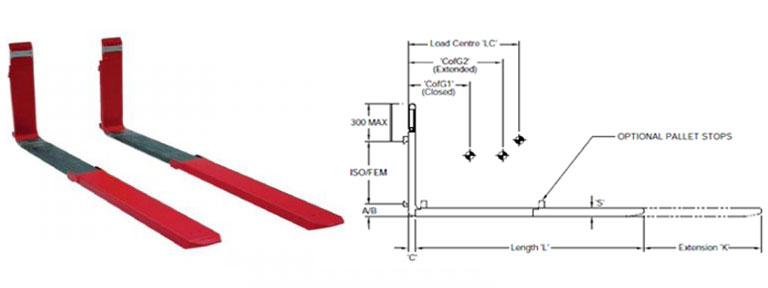
A Forklift Attachments Safety Guide is essential for anyone using forklift attachments in material handling operations. Forklift attachments enhance the versatility and efficiency of forklifts by allowing them to perform a wide range of tasks beyond simply lifting and moving pallets. From warehouses and factories to construction sites, these attachments improve productivity while reducing manual handling. However, safe operation requires a thorough understanding of the correct safety procedures, operational requirements, and routine maintenance. This Forklift Attachments Safety Guide covers everything you need to know to use forklift attachments safely, maximise efficiency, and help create a safer working environment.
Understanding Hydraulic Forklift Attachments
As highlighted in this Forklift Attachments Safety Guide, hydraulic forklift attachments are specialised accessories powered by a forklift’s hydraulic system to perform a wide range of material handling tasks. Unlike manual or mechanical attachments, hydraulic forklift attachments use fluid pressure to control movement, making them ideal for precision operations, heavy-duty lifting, and improving workplace efficiency. Understanding how these attachments operate is essential for ensuring safe use, maximising productivity, and reducing the risk of workplace accidents.
Common Types of Hydraulic Forklift Attachments
- Side Shifters: Allow operators to move loads sideways without repositioning the forklift.
- Rotators: Enable the forklift forks or buckets to rotate, commonly used in food processing and waste management industries.
- Paper Roll Clamps: Designed to handle large rolls of paper or other cylindrical loads.
- Fork Positioners: Adjust the spacing of forks to accommodate loads of varying sizes.
- Bale Clamps: Used for handling non-palletised materials such as bales of cotton, wool, or hay.
Safety Considerations for Using Hydraulic Forklift Attachments
- Operator Training and Certification: Forklift operators must undergo specialised training in attachment use. The additional weight and altered load distribution change the dynamics of forklift operation, requiring precise skills and knowledge to handle the equipment safely.
- Pre-Operational Inspections: Conducting daily inspections is critical. Check the forklift attachments safety guide: Check for hydraulic leaks, worn components, and proper connection to the forklift. Faulty equipment can lead to accidents or decreased productivity.
- Understanding Load Capacity: Hydraulic attachments affect the forklift’s centre of gravity and load capacity. Always refer to the forklift’s updated load chart after adding an attachment, as the combined weight of the attachment and load must not exceed the forklift’s rated capacity.
- Secure Installation: Ensure the hydraulic attachment is correctly installed and securely fastened to prevent dislodgement during operation. Double-check hydraulic connections for leaks or improper fittings.
- Monitor Visibility: Attachments like paper roll or bale clamps can obstruct the operator’s view. Use spotters or ensure the operator’s visibility is not compromised while operating the forklift.
Operational Guidelines for Hydraulic Forklift Attachments
- Use Manufacturer-Approved Attachments: To ensure compatibility and safety, only use attachments designed and approved for the specific forklift model.
- Adjust Forklift Driving Techniques: Hydraulic attachments may alter the forklift’s centre of gravity, making it prone to tipping. Drive slowly, especially around corners, and maintain a low load height to improve stability.
- Perform Regular Maintenance: Hydraulic systems require consistent upkeep. Check fluid levels, inspect for leaks, and ensure all moving parts are properly lubricated to maintain optimal performance.
- Avoid Overloading: Do not exceed the forklift’s updated load capacity, as it may lead to equipment failure, damage to loads, or workplace accidents.
- Operate Smoothly: Avoid sudden starts, stops, or directional changes when using hydraulic forklift attachments, as these can destabilise the load or damage the attachment.
Benefits of Hydraulic Forklift Attachments
- Enhanced Versatility: Hydraulic attachments transform forklifts into multi-functional machines capable of handling various materials.
- Increased Productivity: Tasks that would otherwise require multiple machines or manual labour can be efficiently performed using a single forklift with the appropriate attachment.
- Improved Safety: By reducing the need for manual handling, hydraulic attachments minimise the risk of workplace injuries.
- Precision Handling: Hydraulic-powered movements allow for precise load placement and manipulation, ensuring minimal damage to loads.
FAQs About Forklift Attachments
Can I use any hydraulic attachment with my forklift?
No, attachments must be compatible with your forklift model and meet the manufacturer’s specifications. Using incompatible attachments can lead to equipment failure and void warranties.
How do hydraulic forklift attachments affect load capacity?
Hydraulic attachments reduce the forklift’s load capacity because their weight must be factored into the overall carrying capacity. Refer to the updated load chart provided by the manufacturer.
Do I need additional training to operate a forklift with attachments?
Yes, operators require specific training to understand how attachments affect the forklift’s handling and to operate the equipment safely.
How often should I maintain hydraulic attachments?
Regular maintenance should be performed daily and according to the manufacturer’s guidelines. Components like hydraulic hoses, cylinders, and fittings must be inspected frequently for wear and tear.
What safety features should I look for in hydraulic attachments?
Look for forklift attachments with pressure relief valves, safety locking mechanisms, and ergonomic controls to enhance safety during operation.
Contact Micron Engineering
Hydraulic forklift attachments are game-changing tools in material handling, offering unparalleled versatility and efficiency. Businesses can optimise forklift attachment performance by following proper safety protocols, ensuring regular maintenance, and providing adequate operator training while maintaining a safe working environment.
Contact our team today for more information about our forklift attachments.
Follow us on Facebook and X (twitter)
