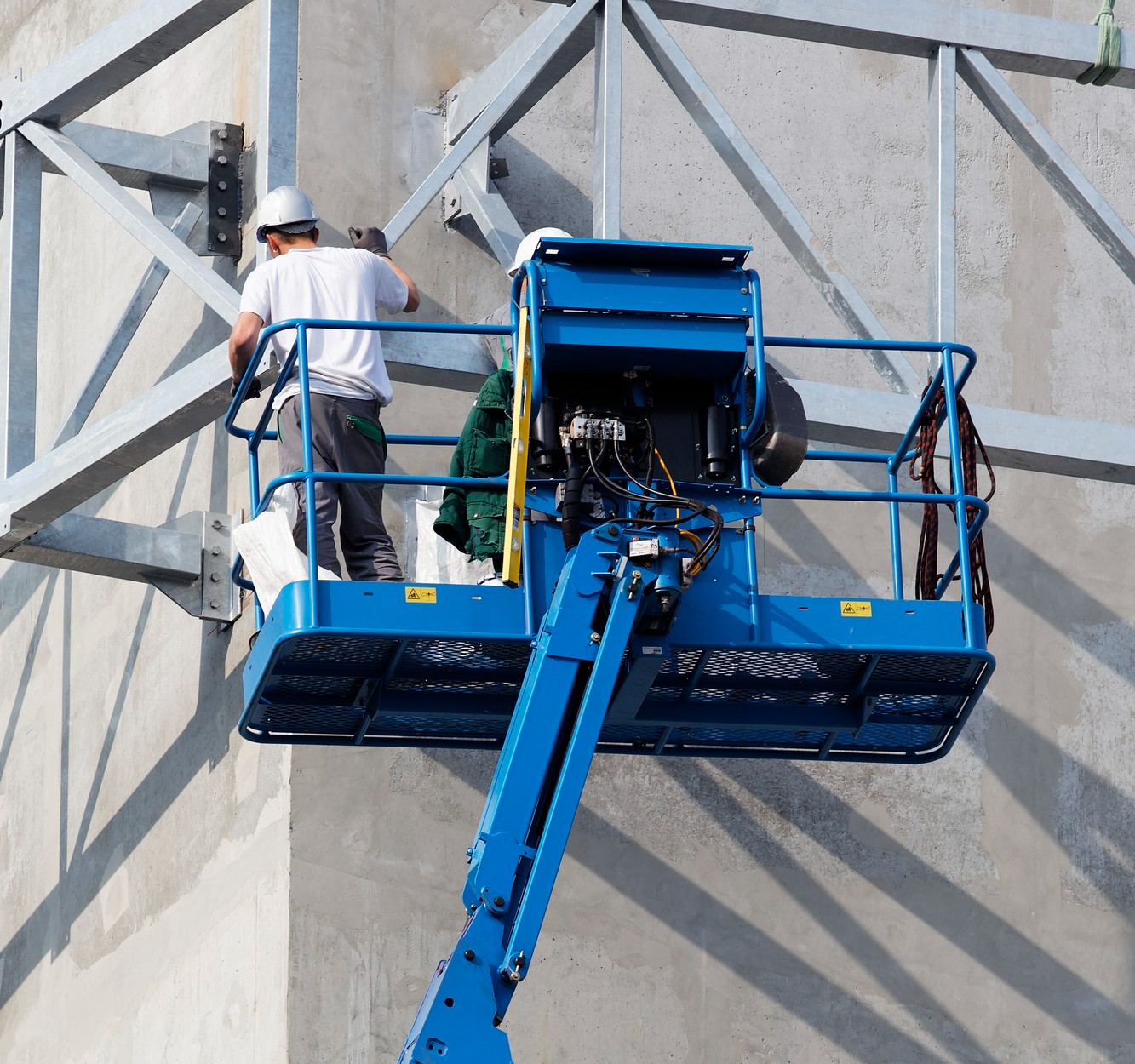
Lift Beyond Limits: Discover the Versatility of Forklift Boom Attachments

Lift Beyond Limits: Discover the Versatility of Forklift Boom Attachments

Among the most valuable upgrades for forklifts are forklift booms attachments: versatile hydraulic tools that transform a standard forklift into a multifunctional lifting powerhouse.

Micron Engineering, a trusted name in hydraulic forklift attachments in South Africa, supplies robust and reliable boom attachments designed for demanding applications. Whether in construction, manufacturing, warehousing, or logistics, forklift booms extend the capabilities of standard forklifts, offering greater reach, flexibility, and load handling efficiency.

What Are Forklift Booms Attachments?

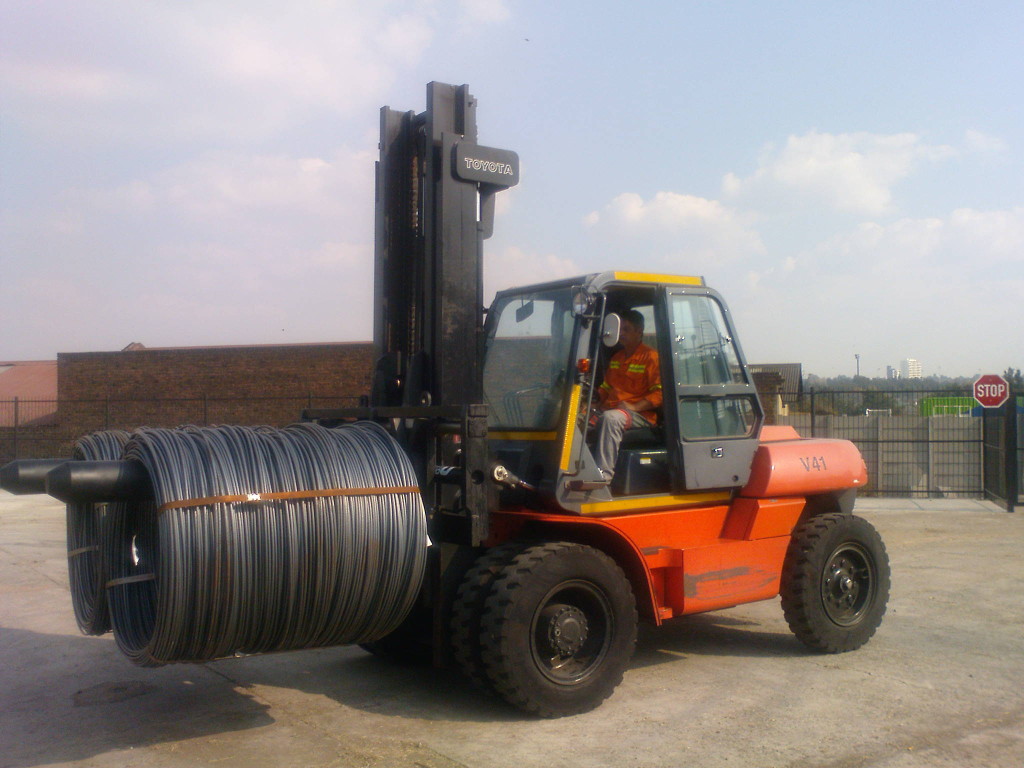
Forklift booms attachments are extendable, often telescopic, accessories that mount to the carriage or forks of a forklift, enabling it to handle longer, bulkier, or more irregular loads. Essentially, they turn your forklift into a crane-like machine, increasing its functionality without the need to invest in an entirely new piece of equipment.

Booms may be:

  • Fixed or Telescoping: Adjustable lengths for various lifting tasks
  • Pivoting: Allow for angular movements
  • Hydraulic or Manual: Operated using the forklift’s hydraulic system or adjusted manually

These attachments are ideal for lifting materials that are too long or unwieldy for pallet forks, including pipes, steel beams, HVAC (heating, ventilation, and air conditioning) units, or equipment.

Benefits of Forklift Booms Attachments

Versatility in Lifting

Booms expand a forklift’s usefulness beyond standard palletised loads. They allow for vertical and angled lifting, which is crucial for accessing awkward areas or hoisting over obstacles.

Increased Reach and Height

Telescopic booms allow operators to reach over, across, or onto high shelving or platforms, reducing the need for additional cranes or hoists in smaller facilities.

Cost-Effective Expansion

Rather than purchasing a crane or telehandler, a forklift boom attachment provides an affordable upgrade that enhances existing equipment.

Quick Installation

Most booms are easily installed using standard mounting hardware, with minimal downtime and no need for extensive training.

Improved Load Handling for Non-Standard Items

Booms are perfect for handling irregular or oversized loads that can’t be safely placed on pallets. This includes:

  • Pipes
  • Steel rods
  • HVAC units
  • Machinery components

Improved Safety and Control

When paired with the right forklift and operated correctly, boom attachments offer better stability and control over awkward lifts compared to ad hoc or manual methods.

Types of Forklift Boom Attachments Supplied by Micron Engineering

Micron Engineering offers a wide range of high-performance forklift boom attachments designed for durability, compatibility, and ease of use.

Telescopic Booms

  • Adjustable length for extended reach
  • Ideal for lifting to higher elevations
  • Multiple hook points for load control

Pivoting Booms

  • Swivel-mounted for angled lifting
  • Great for tight spaces or awkward angles

Fixed-Length Booms

  • Simple, cost-effective lifting solution
  • Suitable for routine tasks with consistent load sizes

Hydraulic Booms

  • Powered by the forklift’s hydraulic system
  • Allow precise control of movement and angle
  • Faster and safer operation

Custom Attachments

  • Built to client specs for unique applications
  • Engineered for compatibility with specific forklift models and load types

All of Micron Engineering’s boom attachments are constructed from high-grade steel, with a focus on performance, operator safety, and long-term durability.

Common Applications for Forklift Boom Attachments

  • Manufacturing Facilities: Move and position large components, such as moulds, dies, and equipment using Forklift Booms.
  • Construction Sites: Forklift Booms make it easier to lift and transport long steel beams, HVAC systems, scaffolding, or building panels to elevated positions.
  • Shipping Yards: Load and unload large items that do not fit in standard containers or require vertical positioning with the aid of Forklift Booms.
  • Maintenance and Repair: Hoist engines, industrial parts, or perform on-site machine repairs in tight spaces with the help of Forklift Booms.
  • Lumber and Pipe Yards: Handle long materials like timber, PVC piping, or rebar with precision and safety using specialized Forklift Booms.

Why Choose Micron Engineering for Forklift Boom Attachments?

As a leading South African supplier of hydraulic forklift attachments, including Forklift Booms, Micron Engineering brings decades of engineering experience to the field of industrial material handling. Here’s why businesses across South Africa trust our solutions:

  • Engineering Expertise: Our designs are informed by real-world industrial needs and refined through years of experience in hydraulics and manufacturing.
  • Locally Manufactured: We manufacture attachments locally, ensuring quick lead times, local support, and cost-effective pricing.
  • Built to Last: Our boom attachments are constructed from industrial-grade materials and thoroughly tested for strength, stability, and safety.
  • Wide Compatibility: We design our attachments to work with the most common forklift models used in South African industries.
  • Custom Solutions Available: No two jobs are the same. That’s why we offer custom-built boom attachments for clients with unique requirements.

Tips for Safe Use of Forklift Boom Attachments

  • Know Your Load Limits: Always follow the forklift’s derated lifting capacity when a boom is attached.
  • Use Certified Attachments:  Only use boom attachments that are approved and tested for your equipment.
  • Train Operators: Proper training ensures safe and efficient use of attachments.
  • Conduct Regular Inspections: Check for signs of stress, fatigue, or wear before each use.
  • Balance the Load: Improperly distributed weight can lead to instability or tipping.

FAQs About Forklift Boom Attachments

What is the lifting capacity of a forklift boom attachment?

The lifting capacity depends on the forklift’s original capacity, the boom’s length, and the angle of lift. It’s essential to consult the derated load chart for safe operation.

Can any forklift use a boom attachment?

Most modern forklifts can use boom attachments, but the attachment must be compatible with the model and load specifications. Micron Engineering provides guidance and customisation if needed.

What industries use forklift boom attachments?

Construction, manufacturing, logistics, warehousing, shipping, mining, and maintenance are just a few sectors that benefit from these attachments.

Are forklift boom attachments safe?

Yes, when installed and used correctly. Proper training, load awareness, and regular maintenance ensure safe operation.

How are forklift boom attachments installed?

Most are designed for easy mounting, either on the carriage or over the forks, using standard attachment mechanisms. Hydraulic models require coupling with the forklift’s hydraulic system.

Get the Right Forklift Boom Attachment with Micron Engineering

Don’t let standard equipment limit your operations. Expand your lifting potential with Micron Engineering’s forklift boom attachments, engineered for performance, durability, and safety. Whether you need a fixed boom for routine tasks or a telescopic hydraulic boom for heavy-duty lifts, we’ve got the solution for you.

Ready to lift beyond limits? Contact Micron Engineering today.
Follow us on facebook and X

The Benefits of Forklift Bale Clamps

The Benefits of Forklift Bale Clamps

When it comes to efficient, safe, and damage-free material handling, especially for baled or soft goods, forklift bale clamps are a game-changer. Designed to grip, lift, and transport baled products without the need for traditional pallets, these attachments help businesses reduce costs, increase productivity, and enhance handling accuracy.

Micron Engineering is a leading South African supplier of high-performance forklift attachments, including bale clamps, for various industries such as recycling, paper, textiles, agriculture, and logistics.

What Are Forklift Bale Clamps?

Forklift bale clamps are hydraulic attachments mounted on forklifts that allow operators to securely grip and move bulky, baled, or non-palletised goods. Using flat clamping arms and powerful hydraulic pressure, they provide a firm, even hold without damaging the load, making them ideal for handling:

  • Waste paper bales
  • Cotton, wool, or synthetic textile bales
  • Foam and sponge blocks
  • Hay and agricultural products
  • Rubber and tyre blocks

These clamps come in various configurations to suit load size, material type, and operational requirements.

Key Benefits of Forklift Bale Clamps

  • Increased Productivity: By removing the need for pallets, bale clamps streamline the loading, unloading, and stacking process. Operators can move more products in less time, reducing delays and manual labour requirements.
  • Damage-Free Handling: The clamp arms are designed to apply uniform pressure across the surface of the load, which minimises product deformation or damage, especially important for soft or compressible goods.
  • Cost Savings: Forklift bale clamps eliminate the need for wooden pallets, reducing costs related to purchasing, maintenance, and disposal of pallets. This is especially beneficial for operations that handle large volumes of baled goods.
  • Space Optimisation: Pallet-free handling enables tighter packing in storage and transport, resulting in more efficient use of space in warehouses and containers.
  • Versatile Applications: From recycling centres to agricultural farms and paper mills, bale clamps adapt to different materials and operating environments. Their versatility makes them a long-term investment for businesses across many sectors.
  • Improved Safety: Automated clamping and secure gripping reduce the risk of loads slipping or falling during transport, improving worker safety and protecting inventory.
  • Custom Configurations Available: Micron Engineering offers bale clamps with custom arm lengths, opening ranges, and pressure settings tailored to your specific materials and handling conditions.

Micron Engineering – Your Partner in Forklift Attachments

With decades of experience in supplying top-quality forklift attachments, Micron Engineering ensures that every client receives the best solution for their handling needs. Our forklift bale clamps are manufactured for durability, performance, and safety. We offer:

  • Robust, heavy-duty construction
  • Reliable hydraulic systems
  • Low maintenance requirements
  • Expert guidance and technical support
  • Local availability and fast delivery in South Africa

Whether managing a warehouse, farm, mill, or recycling facility, our bale clamps will enhance your operations with dependable results.

Choosing the Right Forklift Bale Clamp

When selecting a bale clamp, consider the following:

  • Type of material (soft, hard, compressible, rigid)
  • Weight and dimensions of typical loads
  • Required opening range for clamp arms
  • Frequency of use and operating environment
  • Forklift capacity and hydraulic compatibility

Not sure which bale clamp fits your needs? Our team is ready to help you choose the right product for your application.

Frequently Asked Questions About Forklift Bale Clamps

What is the main use of a forklift bale clamp?

A forklift bale clamp is used to handle baled materials, such as cotton, paper, textiles, and hay, without the need for pallets.

Can bale clamps damage the load?

Not if properly used. High-quality bale clamps, such as those from Micron Engineering, apply even pressure and are designed to handle compressible materials safely.

Do I need a special forklift to use bale clamps?

No, but your forklift must have compatible hydraulic lines and the capacity to handle the clamp’s weight and the intended load.

Are bale clamps easy to install?

Yes. Most models can be mounted with standard forklift fittings and connected to the hydraulic system. Our team offers installation assistance and guidance if required.

Do bale clamps work with all types of bales?

Bale clamps can handle most materials that are baled or block-formed. Micron Engineering offers various clamp models tailored to specific material types and weights.

Boost Your Material Handling Efficiency Today

Contact Micron Engineering for premium forklift bale clamps built to handle the most challenging jobs. With our commitment to quality, customisation, and client satisfaction, you can count on us to help you move your business forward.

Why You Should Use Freezer Spacers for Pallets: Improve Efficiency, Hygiene, and Cold Chain Performance

Why You Should Use Freezer Spacers for Pallets: Improve Efficiency, Hygiene, and Cold Chain Performance

Freezer storage is a vital aspect of various industries, including food processing, cold chain logistics, pharmaceuticals, and meat production. Maximising efficiency in freezing operations is not only about having the right freezer units but also about enhancing airflow and reducing energy consumption. That’s where freezer spacers for pallets come in.

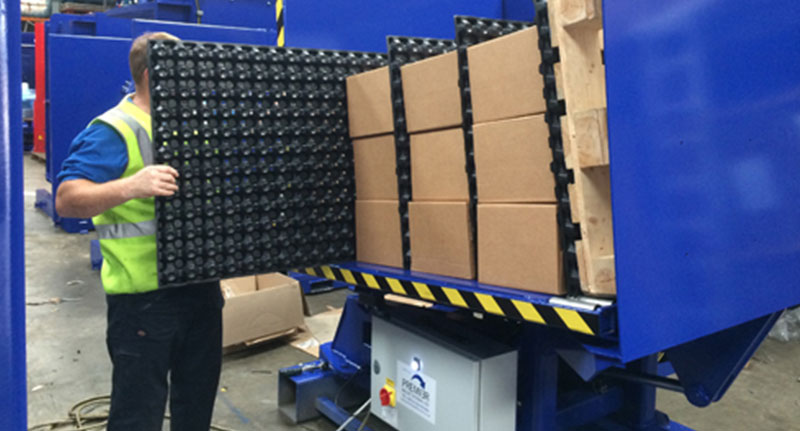
At Micron Engineering, we supply world-class freezer spacers for pallets that deliver improved airflow, faster freeze times, reduced operational costs, and long-term durability. Our freezer spacers are available in two standard sizes (1016 x 1219 mm and 800 x 1219 mm) and are rated to a static load of 1150 kgs, making them suitable for demanding commercial environments.

What Are Freezer Spacers for Pallets?

Freezer spacers for pallets are interlocking plastic devices placed between layers of boxed or bagged goods on a pallet. Their purpose is to allow cold air to flow evenly through the stacked goods, ensuring faster and more consistent freezing or cooling throughout the entire load. This significantly enhances cold chain performance and reduces the time required to reach target temperatures.

Key Benefits of Using Freezer Spacers for Pallets

Faster Freezing Times

The most significant advantage of freezer spacers is their ability to reduce freeze and chill times dramatically. By enabling cold air to pass through the middle of the pallet stack where temperatures are typically slowest to drop, freezer spacers ensure more uniform and rapid freezing, leading to better product quality and consistency.

Reduced Energy Consumption

Because the freeze cycle is shorter and more efficient, your cold storage equipment uses less energy to achieve the same results. This can lead to a substantial reduction in operational energy costs over time, making freezer spacers a smart investment for high-volume cold storage facilities.

Improved Food Safety and Product Integrity

Faster and more consistent freezing helps reduce the formation of large ice crystals that can damage cell structures in meat, produce, and dairy products. This leads to better texture, flavour, and shelf life of frozen goods. It also reduces the risk of partial thawing and refreezing, which can compromise food safety.

Enhanced Hygiene

Micron Engineering’s freezer spacers are made from durable plastic with a unique surface finish that allows for easy cleaning, including power washing, steaming, and scrubbing without compromising their effectiveness. This makes them ideal for environments where sanitation is crucial, such as meat processing plants, seafood distribution centres, and pharmaceutical storage facilities.

Durability and Reusability

Designed to handle static loads of up to 1150 kg, our freezer spacers are built for long-term use. Unlike wooden slats or cardboard sheets, plastic freezer spacers don’t absorb moisture, won’t rot, warp, or harbour bacteria, and are highly resistant to wear and tear. This makes them a cost-effective, sustainable solution that supports long-term ROI.

Where Are Freezer Spacers for Pallets Commonly Used?

Freezer spacers are vital across several sectors that rely on cold storage and temperature-sensitive goods:

  • Meat and poultry processing
  • Seafood distribution
  • Dairy production
  • Fruits and vegetables cold storage
  • Frozen baked goods and desserts
  • Pharmaceutical and vaccine storage
  • Industrial food production
  • Logistics and supply chain companies

Specifications of Micron Engineering Freezer Spacers

Feature Details
Sizes available 1016 x 1219 mm and 800 x 1219 mm
Static load rating Up to 1150 kg
Material High-durability hygienic plastic
Surface finish Easy to clean; suitable for steaming, scrubbing, or power washing
Design Open-air structure for optimal airflow
Reusability Yes, long-lasting and durable
Colour options Available on request


How to Use Freezer Spacers Effectively

  • Stack with Purpose: Alternate layers of boxed or bagged products with freezer spacers during pallet loading to allow airflow between layers.
  • Ensure Proper Alignment: Place the spacers evenly across the load to prevent shifting and ensure full air penetration.
  • Clean Regularly: Incorporate cleaning into your hygiene protocols to maintain the integrity and cleanliness of your spacer.
  • Inspect for Damage: Periodically check your spacers for cracks or structural damage to ensure ongoing performance and safety.

Frequently Asked Questions (FAQs)

What are freezer spacers made of?

Freezer spacers for pallets from Micron Engineering are made from durable, hygienic plastic designed to withstand cold temperatures, heavy loads, and repeated cleaning.

Can freezer spacers be reused?

Yes. Our freezer spacers are built to be reusable, making them a cost-effective and environmentally responsible choice.

How much weight can a freezer spacer support?

Each spacer is rated to a static load of 1150 kg, ensuring strong support in industrial pallet setups.

How do freezer spacers reduce energy consumption?

By allowing cold air to flow through the stack efficiently, the spacers shorten the freezing cycle and reduce the energy required to maintain low temperatures.

Are freezer spacers easy to clean?

Absolutely. They can be power-washed, steamed, or scrubbed without compromising performance or hygiene.

What industries typically use freezer spacers?

Freezer spacers are commonly used in food processing, seafood, dairy, meat, pharmaceuticals, and other industries that rely on fast and reliable freezing of palletised goods.

Why Choose Micron Engineering?

At Micron Engineering, we prioritise performance, durability, and hygiene. Our freezer spacers for pallets are manufactured to deliver consistent results in the most demanding environments. With competitive pricing, customisation options, and prompt nationwide delivery, we are a preferred supplier for South Africa’s leading cold storage and logistics businesses.

Ready to Optimise Your Freezer Operations?

Maximise your efficiency, reduce your freeze cycles, and improve hygiene with Micron Engineering’s premium freezer spacers for pallets. Contact us today to discuss bulk pricing, delivery, or custom orders.

What You Need to Know About Forklift Boom Attachments

Forklift boom attachments SA have become indispensable in material handling and logistics for industries requiring enhanced versatility and reach from standard forklifts. Micron Engineering is a trusted supplier of hydraulic forklift attachments, including durable, high-performance boom attachments designed for diverse applications.

If you’re looking to increase your forklift’s flexibility and lifting capacity, a forklift boom attachment SA could be exactly what you need. This guide covers everything you need to know about these attachments, from their functionality and types to advantages and industry applications.

What Are Forklift Boom Attachments?

A forklift boom attachment is a specialized extension designed to fit onto a standard forklift. It transforms the forklift into a mobile crane, capable of lifting and maneuvering items that are awkward, oversized, or difficult to handle with regular forks.

Booms typically mount directly onto the carriage or forks of a forklift and can be fixed, extendable, or articulating, depending on the operation’s lifting needs. They are often fitted with a lifting hook or eye, allowing operators to handle slung loads such as engines, pipes, or construction materials.

Types of Forklift Boom Attachments

Micron Engineering supplies various forklift boom attachments, each tailored to meet different lifting requirements:

  • Fixed Forklift Booms: straightforward, non-adjustable extensions ideal for repetitive lifts with consistent reach requirements.
  • Telescopic Forklift Booms: extendable booms that adjust in length to handle items at varying distances—perfect for loading/unloading trailers or reaching into confined spaces.
  • Articulating (Pivoting) Booms: provide angular movement for increased maneuverability, common in construction and maintenance tasks.

Key Benefits of Forklift Boom Attachments

  • Enhanced Versatility: convert a standard forklift into a mobile crane for various lifting tasks.
  • Extended Reach: access high or distant areas, such as stacking pipes or reaching over obstacles.
  • Reduced Equipment Needs: eliminates the need for a separate crane in many use cases.
  • Improved Safety: designed with load stability in mind, especially when lifting irregularly shaped or slung loads.
  • Increased Productivity: speeds up operations that would otherwise require multiple machines or additional labor.

Applications Across Industries

Forklift boom attachments are widely used in multiple sectors due to their versatility:

  • Construction: lifting and positioning beams, trusses, scaffolding, and heavy tools.
  • Warehousing: managing large or bulky inventory items, particularly in racking systems.
  • Manufacturing: moving machinery, molds, and components within production areas.
  • Shipping and Logistics: loading containers and trucks with difficult-to-handle goods.
  • Agriculture: handling irrigation equipment, fencing poles, or feed containers.
  • Mining and Energy: positioning pipes, cables, and maintenance tools in tight operational spaces.

Choosing the Right Forklift Boom Attachment

When selecting a forklift boom attachment, consider the following:

  • Lifting Capacity: always check your forklift’s load capacity and match it to the boom’s rated load at various extension lengths. Never exceed the recommended limit.
  • Reach Requirements: evaluate how far and how high you need to lift. Telescopic booms offer adjustable lengths to accommodate varying tasks.
  • Load Type: determine whether you’ll lift slung loads, rigid materials, or specific equipment—attachment compatibility is essential for safety and efficiency.
  • Mounting Method: some booms fit over the forks, while others mount directly to the carriage. Choose the method that best suits your forklift’s type and usage patterns.
  • Compliance: ensure the attachment complies with local safety regulations, including proper load charts, locking mechanisms, and operator training requirements.

Why Choose Micron Engineering?

As a leading supplier of hydraulic forklift attachments, Micron Engineering offers:

  • Robust, locally manufactured forklift boom attachments
  • Hydraulic integration options for precision and ease of use
  • Custom solutions based on your operational environment
  • Expert guidance on selecting the right attachment for your needs
  • Reliable support and maintenance services

Our forklift boom attachments are designed for durability, safety, and adaptability, making them an essential upgrade for any business requiring efficient material handling.

Frequently Asked Questions About Forklift Boom Attachments

What is the maximum weight a forklift boom can lift?

The lifting capacity varies depending on the forklift’s model and the boom’s extension length. To avoid overloading, always consult the manufacturer’s load chart.

Can forklift booms be used for overhead lifting?

Yes, but they must comply with lifting regulations. Make sure certified hooks and slings are used, and that operators are trained in overhead lifting procedures.

Are hydraulic boom attachments better than manual ones?

Hydraulic attachments offer greater control, ease of use, and precision, making them ideal for frequent or complex lifting tasks.

Do forklift boom attachments require special licensing?

Operators should be trained in handling forklifts with attachments, especially for overhead or slung loads.

Can I customize a forklift boom attachment?

Absolutely. At Micron Engineering, we can custom-engineer forklift boom attachments to meet specific load sizes, reach requirements, and industry conditions.

Upgrade Your Forklift with a Boom Attachment Today

If you want to expand your forklift fleet’s capabilities, Micron Engineering’s forklift boom attachments offer a dependable, cost-effective solution. Whether handling machinery, navigating confined spaces, or reaching difficult heights, our attachments are built to perform safely and efficiently.

Contact our team today for more information.

Four Reasons to Use Forklift Fork Extensions

Forklift fork extensions are indispensable tools for material handling in warehouses, construction sites, and industrial facilities. They extend the length of a forklift’s forks, allowing operators to safely and efficiently handle oversized or unusually shaped loads. This article delves into four compelling reasons to use forklift fork extensions and how they can improve your operations.

What Are Forklift Fork Extensions?

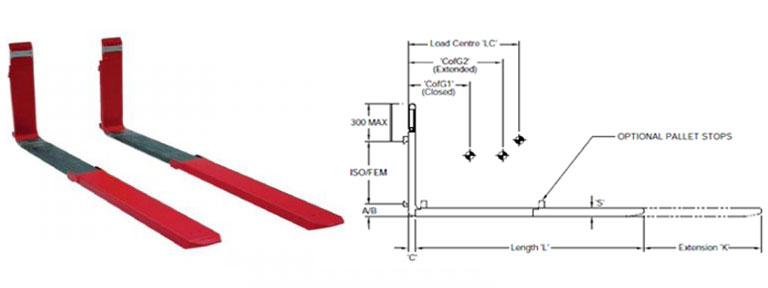
Forklift fork extensions are metal attachments designed to slide over the existing forks of a forklift, providing additional length for carrying larger or longer loads. Typically made from durable steel, they are secured with locking mechanisms to ensure safety and stability during operation.

Four Reasons to Use Forklift Fork Extensions

Increased Load Capacity

Forklift fork extensions enable the handling of oversized and lengthy loads that exceed the dimensions of standard forks. Whether pallets, long pipes, lumber, or steel beams, these extensions provide the necessary reach to move bulky items securely.

Benefits:

  • Prevents load instability by evenly distributing weight.
  • Reduces the risk of damage to goods during transportation.
  • Enhances the versatility of forklifts for different applications.

Enhanced Safety

Workplace safety is a primary concern in material handling. Using forklift extensions ensures loads are supported correctly, reducing the risk of accidents caused by overhanging or improperly balanced items.

Benefits:

  • Minimises tipping risks for forklifts when carrying long loads.
  • Reduces the chances of injuries caused by falling materials.
  • Improves overall workplace safety compliance.

Improved Efficiency

Forklift extensions streamline operations by allowing operators to handle larger loads in fewer trips. This increased efficiency reduces operational time and labour costs while boosting productivity.

Benefits:

  • Cuts down on multiple trips for moving large or lengthy items.
  • Speeds up loading and unloading processes.
  • Maximises the use of forklifts without the need for larger equipment.

Cost-Effective Solution

Instead of investing in specialised forklifts or additional equipment, fork extensions offer a cost-effective way to expand the capabilities of your existing fleet. They are easy to install and remove, providing flexibility for varied applications.

Benefits:

  • Eliminates the need for more expensive machinery.
  • Provides a quick and affordable solution for occasional use.
  • Durable construction ensures long-term usability and minimal maintenance.

Key Considerations for Using Forklift Fork Extensions

While forklift fork extensions offer many advantages, it’s essential to follow these best practices:

  • Weight Limits: Ensure the extensions and forklift can handle the load weight safely.
  • Length Proportion: To maintain stability, the extensions should not exceed 150% of the original fork length.
  • Securing Mechanisms: Use locking pins or chains to keep extensions securely in place.
  • Operator Training: Train operators to use extensions safely and efficiently.

FAQs About Forklift Fork Extensions

What are forklift extensions made of?

Forklift extensions are typically made from high-strength steel, ensuring durability and resistance to heavy loads.

How do I choose the right size of fork extensions?

The length and width of the extensions should match the size of your forklift’s forks. Extensions should not exceed 150% of the original fork length.

Are forklift fork extensions safe to use?

Yes, they are safe when used correctly. Always follow weight limits, secure the extensions properly, and ensure operators are trained.

Can fork extensions damage my forklift?

Using extensions within recommended limits won’t damage your forklift. However, overloading or improper installation can put unnecessary strain on the machine.

Are forklift fork extensions easy to install?

Yes, they are designed for quick installation. Most extensions slide over the existing forks and are secured with locking mechanisms.

Do I need a license to use forklift fork extensions?

Operators should hold a valid forklift operator license and be trained in using fork extensions safely.

Contact Micron Engineering

Forklift fork extensions are invaluable tools for enhancing your material handling operations’ versatility, safety, and efficiency. By allowing forklifts to handle oversized and heavy loads securely, they provide a cost-effective solution that reduces risks and boosts productivity.

Whether you’re managing a warehouse, construction site, or industrial facility, forklift extensions are an essential investment to optimise your operations. If you’re considering incorporating them into your equipment, ensure proper training, adherence to safety guidelines, and selection of the right extensions for your needs.

Contact our team today for more information about our forklift fork extensions.

Forklift Attachments: Your Guide to Safe Operation and Requirements

A Forklift Attachments Safety Guide is essential for anyone using forklift attachments in material handling operations. Forklift attachments enhance the versatility and efficiency of forklifts by allowing them to perform a wide range of tasks beyond simply lifting and moving pallets. From warehouses and factories to construction sites, these attachments improve productivity while reducing manual handling. However, safe operation requires a thorough understanding of the correct safety procedures, operational requirements, and routine maintenance. This Forklift Attachments Safety Guide covers everything you need to know to use forklift attachments safely, maximise efficiency, and help create a safer working environment.

Understanding Hydraulic Forklift Attachments

As highlighted in this Forklift Attachments Safety Guide, hydraulic forklift attachments are specialised accessories powered by a forklift’s hydraulic system to perform a wide range of material handling tasks. Unlike manual or mechanical attachments, hydraulic forklift attachments use fluid pressure to control movement, making them ideal for precision operations, heavy-duty lifting, and improving workplace efficiency. Understanding how these attachments operate is essential for ensuring safe use, maximising productivity, and reducing the risk of workplace accidents.

Common Types of Hydraulic Forklift Attachments

  • Side Shifters: Allow operators to move loads sideways without repositioning the forklift.
  • Rotators: Enable the forklift forks or buckets to rotate, commonly used in food processing and waste management industries.
  • Paper Roll Clamps: Designed to handle large rolls of paper or other cylindrical loads.
  • Fork Positioners: Adjust the spacing of forks to accommodate loads of varying sizes.
  • Bale Clamps: Used for handling non-palletised materials such as bales of cotton, wool, or hay.

Safety Considerations for Using Hydraulic Forklift Attachments

  • Operator Training and Certification: Forklift operators must undergo specialised training in attachment use. The additional weight and altered load distribution change the dynamics of forklift operation, requiring precise skills and knowledge to handle the equipment safely.
  • Pre-Operational Inspections: Conducting daily inspections is critical. Check the forklift attachments safety guide: Check for hydraulic leaks, worn components, and proper connection to the forklift. Faulty equipment can lead to accidents or decreased productivity.
  • Understanding Load Capacity: Hydraulic attachments affect the forklift’s centre of gravity and load capacity. Always refer to the forklift’s updated load chart after adding an attachment, as the combined weight of the attachment and load must not exceed the forklift’s rated capacity.
  • Secure Installation: Ensure the hydraulic attachment is correctly installed and securely fastened to prevent dislodgement during operation. Double-check hydraulic connections for leaks or improper fittings.
  • Monitor Visibility: Attachments like paper roll or bale clamps can obstruct the operator’s view. Use spotters or ensure the operator’s visibility is not compromised while operating the forklift.

Operational Guidelines for Hydraulic Forklift Attachments

  • Use Manufacturer-Approved Attachments: To ensure compatibility and safety, only use attachments designed and approved for the specific forklift model.
  • Adjust Forklift Driving Techniques: Hydraulic attachments may alter the forklift’s centre of gravity, making it prone to tipping. Drive slowly, especially around corners, and maintain a low load height to improve stability.
  • Perform Regular Maintenance: Hydraulic systems require consistent upkeep. Check fluid levels, inspect for leaks, and ensure all moving parts are properly lubricated to maintain optimal performance.
  • Avoid Overloading: Do not exceed the forklift’s updated load capacity, as it may lead to equipment failure, damage to loads, or workplace accidents.
  • Operate Smoothly: Avoid sudden starts, stops, or directional changes when using hydraulic forklift attachments, as these can destabilise the load or damage the attachment.

Benefits of Hydraulic Forklift Attachments

  • Enhanced Versatility: Hydraulic attachments transform forklifts into multi-functional machines capable of handling various materials.
  • Increased Productivity: Tasks that would otherwise require multiple machines or manual labour can be efficiently performed using a single forklift with the appropriate attachment.
  • Improved Safety: By reducing the need for manual handling, hydraulic attachments minimise the risk of workplace injuries.
  • Precision Handling: Hydraulic-powered movements allow for precise load placement and manipulation, ensuring minimal damage to loads.

FAQs About Forklift Attachments

Can I use any hydraulic attachment with my forklift?

No, attachments must be compatible with your forklift model and meet the manufacturer’s specifications. Using incompatible attachments can lead to equipment failure and void warranties.

How do hydraulic forklift attachments affect load capacity?

Hydraulic attachments reduce the forklift’s load capacity because their weight must be factored into the overall carrying capacity. Refer to the updated load chart provided by the manufacturer.

Do I need additional training to operate a forklift with attachments?

Yes, operators require specific training to understand how attachments affect the forklift’s handling and to operate the equipment safely.

How often should I maintain hydraulic attachments?

Regular maintenance should be performed daily and according to the manufacturer’s guidelines. Components like hydraulic hoses, cylinders, and fittings must be inspected frequently for wear and tear.

What safety features should I look for in hydraulic attachments?

Look for forklift attachments with pressure relief valves, safety locking mechanisms, and ergonomic controls to enhance safety during operation.

Contact Micron Engineering

Hydraulic forklift attachments are game-changing tools in material handling, offering unparalleled versatility and efficiency. Businesses can optimise forklift attachment performance by following proper safety protocols, ensuring regular maintenance, and providing adequate operator training while maintaining a safe working environment.

Contact our team today for more information about our forklift attachments.

Follow us on Facebook and X (twitter)

Key Tips for Buying Or Renting A Forklift Jib Boom

Forklift jib booms are essential tools that expand the functionality of forklifts, enabling them to lift and transport loads that are long, bulky, or awkward to handle. These attachments, commonly used in construction, warehousing, and manufacturing, can make tasks more efficient while reducing manual labour. However, their safe use and selection require careful attention to specifications, load capacity, and operational protocols. This guide covers how to safely use a forklift boom and what to consider when buying or renting one.

What Is a Forklift Jib Boom?

A forklift boom is an attachment that transforms a forklift into a crane-like device capable of lifting and positioning loads at various angles and heights. These attachments extend the reach of a forklift and are equipped with hooks or shackles for securing loads.

Forklift booms are particularly useful for handling:

  • Pipes and poles
  • Construction materials
  • Equipment parts
  • Oversized or oddly shaped loads

Types of Forklift Jib Booms

  • Fixed Jib Booms: These have a fixed length and angle, providing a stable and straightforward solution for lifting tasks that don’t require frequent adjustments.
  • Telescopic Jib Booms: Designed for versatility, these attachments allow operators to extend or retract the boom to handle loads at varying distances.
  • Adjustable Jib Booms: These offer flexibility by allowing the angle of the boom to be adjusted, making them suitable for tasks that require precision placement.
  • Pivoting Jib Booms: These can rotate or pivot, providing enhanced manoeuvrability in tight spaces or challenging environments.

How to Use a Forklift Boom Safely

Ensure Proper Training

Operators must be trained and certified to use forklifts with jib booms. The training should include the attachment’s unique handling characteristics, load dynamics, and operational techniques.

Check Load Capacity

The weight of the load, combined with the jib boom attachment, must not exceed the forklift’s rated load capacity. Manufacturers typically provide updated load charts to account for the attachment’s weight and impact on the forklift’s centre of gravity.

Inspect the Attachment and Forklift

Before operation, inspect the jib boom for cracks, bends, or other signs of wear. Ensure the forklift itself is in good working condition, with no hydraulic leaks or mechanical issues.

Secure the Attachment

Properly secure the jib boom to the forklift. Use locking pins or clamps as instructed by the manufacturer to prevent detachment during operation.

Safely Attach the Load

Use the provided hooks or shackles to secure the load. Ensure the load is balanced and tightly fastened to avoid shifting during transport.

Operate with Caution

  • Keep the load close to the ground while moving.
  • Avoid sudden stops, starts, or sharp turns.
  • Be mindful of overhead obstacles as the jib boom increases the forklift’s height.

Use Spotters When Necessary

For tasks involving limited visibility or precision placement, spotters can guide the operator and ensure the safe movement of the load.

What to Look for When Buying or Renting a Forklift Jib Boom

  • Compatibility: Ensure the jib boom is compatible with your forklift model. Check the manufacturer’s specifications for size, weight, and mounting requirements.
  • Load Capacity: Choose a jib boom with a load capacity that suits your typical tasks. Overloading can compromise safety and damage the forklift or attachment.
  • Adjustable Features: If your tasks require flexibility, opt for a telescopic or adjustable jib boom that can accommodate different load sizes and lifting angles.
  • Material Quality: Look for forklift booms made of high-strength steel or other durable materials that can withstand heavy-duty use.
  • Safety Features: Ensure the jib boom is equipped with secure hooks, shackles, and locking mechanisms. Safety features such as anti-slip coatings or additional stabilisers are also beneficial.
  • Certification and Standards: Verify that the attachment complies with relevant safety standards, such as ISO or ANSI certifications.
  • Rental vs Purchase: Renting may be a cost-effective option if you only need the forklift jib boom for short-term use. Purchasing a high-quality jib boom is more economical for frequent or long-term use.

Benefits of Using a Forklift Jib Boom

  • Increased Versatility: Extends the forklift’s capabilities for handling diverse loads.
  • Enhanced Reach: Allows operators to lift and place loads in hard-to-reach areas.
  • Improved Efficiency: Reduces manual labour and speeds up material handling tasks.
  • Cost Savings: Eliminates the need for additional equipment like cranes in certain applications.

FAQs About Forklift Jib Booms

What is the maximum load capacity of a forklift jib boom?

The load capacity varies by model and type but is typically specified by the manufacturer. Always refer to the attachment’s load chart and ensure it aligns with your forklift’s capabilities.

Can a jib boom be used with any forklift?

No, the jib boom must be compatible with the forklift’s design and specifications. Using an incompatible attachment can lead to operational hazards.

Are forklift jib booms adjustable?

Some models, such as telescopic or adjustable jib booms, allow for extension and angle adjustments to suit different tasks. Fixed jib booms do not offer this flexibility.

How do I maintain a forklift jib boom?

Regularly inspect the forklift boom for wear, rust, or damage. Lubricate moving parts as needed and ensure all bolts, pins, and connections are secure. Follow the manufacturer’s maintenance guidelines.

Do I need special certification to use a forklift jib boom?

Operators need to be trained and certified to use forklifts with attachments like jib booms. This ensures they understand how the attachment impacts forklift handling and load dynamics.

Contact Micron Engineering

A forklift boom is a valuable addition to any material handling operation, providing increased reach, versatility, and efficiency. By following safety protocols and carefully selecting the right attachment, businesses can maximise the benefits of this powerful tool while ensuring safe and productive operations.

Contact our team today for more information about our forklift boom

Follow us on Facebook and X(twitter)

What Are Forklift Clamps Used For?

Forklifts are essential tools in material handling and logistics, allowing businesses to easily move heavy loads. To maximise their utility, various attachments can be added to forklifts, including clamps. Forklift clamps are versatile attachments designed to handle several materials and products that traditional forks might struggle with. This article delves into the different types of forklift clamps, their applications, benefits, and frequently asked questions.

What Are Forklift Clamps?

Forklift clamps are specialised attachments that can be mounted on a forklift’s forks. They are designed to securely grip and lift various materials, making them ideal for applications where standard forks may not be effective. These clamps provide enhanced versatility and can significantly improve operational efficiency in warehouses, distribution centres, and manufacturing facilities.

Paper Roll Clamps

  • Description: Specifically designed to handle large rolls of paper or similar materials.
  • Use Cases: Commonly used in paper mills, printing presses, and packaging facilities where rolls need to be moved without damaging the product.

Container Clamps

  • Description: These clamps grip shipping containers, enabling easy lifting and transport.
  • Use Cases: Frequently used in shipping yards and ports to handle containers during loading and unloading operations.

Wooden Pallet Clamps

  • Description: Designed to securely grip wooden pallets without causing damage.
  • Use Cases: Ideal for warehouses dealing with various types of pallets and preventing slippage during transport.

Box Clamps

  • Description: Designed for gripping boxes and cartons of various sizes.
  • Use Cases: Useful in warehouses, distribution centres, and retail environments where products are frequently handled in boxes.

Lumber Clamps

  • Description: Designed to handle lumber and other long materials securely.
  • Use Cases: Commonly used in lumberyards, construction sites, and furniture manufacturing.

Bale Clamps

  • Description: Specifically designed to grip bales of hay, cotton, or other similar materials.
  • Use Cases: Ideal for agricultural operations and recycling facilities where large bales need to be moved.

Applications of Forklift Clamps

Forklift clamps are used across various industries, including:

  • Manufacturing: In manufacturing settings,  the clamps streamline the movement of raw materials and finished goods. For instance, lumber clamps help transport large pieces of wood without damaging them, while paper roll clamps facilitate the efficient handling of paper products.
  • Warehousing: Forklift clamps enhance warehouse efficiency by enabling workers to move items more safely and quickly. Box clamps allow for easy handling of packaged products, while pallet clamps ensure that goods on pallets are securely transported.
  • Logistics and Distribution: In logistics and distribution centres,  the clamps help move goods efficiently through the supply chain. Container clamps are particularly useful in ports and shipping yards, enabling quick loading and unloading of shipping containers.
  • Agriculture: Forklift clamps play a vital role in agriculture, particularly in handling bales of hay or cotton. Bale clamps enable farmers to move large quantities of bales quickly and safely, reducing labour costs and increasing efficiency.
  • Recycling: The clamps are essential in recycling facilities for handling various materials, such as paper, plastic, and metals. They facilitate the safe transport of recyclable materials, ensuring efficient processing and reducing contamination risks.

Benefits of Using Forklift Clamps

  • Increased Efficiency: Forklift clamps enhance material handling efficiency by allowing operators to quickly and securely lift and transport various materials. This increased efficiency can lead to higher productivity and faster turnaround times.
  • Improved Safety: Using clamps reduces the risk of product damage and injury during lifting operations. With proper attachment and gripping capabilities, the clamps help ensure that materials are securely held, reducing the likelihood of accidents.
  • Versatility: Forklift clamps are versatile attachments that can handle various materials and products, making them suitable for multiple industries. This versatility reduces the need for various forklifts, as one machine can be adapted for different tasks.
  • Reduced Labour Costs: By improving efficiency and safety,  the clamps can help reduce labour costs associated with handling and transporting materials. Fewer employees are needed to move goods, and the risk of product damage is minimised.
  • Enhanced Load Stability: The clamps provide a secure grip on materials, enhancing load stability during transport. This stability is crucial when handling heavy or bulky items, reducing the risk of accidents or product loss.

FAQs About Forklift Clamps

What types of materials can forklift clamps handle?

Forklift clamps are designed to handle various materials, including paper rolls, boxes, bales, lumber, and containers. The specific type of clamp should be selected based on the material being handled.

How do I know which forklift clamp is suitable for my operation?

The right forklift clamp depends on the type of materials you handle, their weight, and the specific tasks you need to perform. Consulting with a material handling expert can help determine the best clamp for your needs.

Can forklift clamps be used with any forklift?

Most forklift clamps are designed to be compatible with standard forklifts, but it’s essential to ensure that the attachment is suitable for your specific forklift model. Always refer to the manufacturer’s guidelines for compatibility.

Do forklift clamps require maintenance?

Yes, like any attachment, the clamps require regular maintenance to ensure optimal performance. This includes checking for wear and tear, lubricating moving parts, and ensuring the clamps function correctly.

Can I use forklift clamps for outdoor operations?

While forklift clamps can be used outdoors, it’s crucial to consider the environmental conditions. Wet or slippery surfaces can affect the stability of the load. Ensure that operators are trained to handle materials safely in outdoor settings.

Are forklift clamps expensive?

The cost of the clamps can vary based on the type, brand, and specific features. While they represent an investment, their ability to improve efficiency and safety often leads to long-term cost savings.

Contact Micron Engineering

Contact our team today for more information about our clamps.

What Are Rotators Used for on a Forklift?

Forklifts are indispensable in various industries, from warehouses to manufacturing plants. While their primary function is to lift and transport materials, various attachments significantly enhance their versatility. One such attachment is the drum rotator, a tool that easily transforms a standard forklift into a specialised machine capable of handling and rotating drums and barrels. This article explores drum rotator forklift attachments’ uses, benefits, and key considerations.

Introduction to Drum Rotator Forklift Attachments

A drum rotator forklift attachment is specifically designed to lift, rotate, and empty drums or barrels. This attachment is typically used in industries where liquid or granular materials are stored in drums, such as chemical manufacturing, food and beverage processing, and waste management. The attachment allows operators to rotate the drum 360 degrees, making it easier to pour out contents or reposition the drum without manual handling, thus improving safety and efficiency.

Key Uses of Drum Rotators on a Forklift

  • Efficient Material Handling: Drum rotator forklift attachments streamline the process of moving and handling drums, especially when the contents need to be poured or emptied. This is particularly useful in industries dealing with hazardous or heavy materials.
  • Safe Pouring and Emptying: By rotating drums in a controlled manner, operators can easily pour liquids or dispense granular materials without spilling or splashing, reducing the risk of accidents or product loss.
  • Reduces Manual Labour: Drum rotator forklift attachments significantly reduce the need for manual handling of drums, which can be heavy and difficult to manoeuvre. This minimises the risk of injury, such as strains and sprains, and enhances overall workplace safety.
  • Versatile Applications: These attachments are not limited to drums alone. They can also be used to handle other cylindrical containers, making them versatile tools for various industrial applications.
  • Enhanced Productivity: Businesses can increase productivity by automating the rotation and emptying of drums. Forklift operators can complete tasks more quickly and with less effort than manual handling methods.

Benefits of Using Drum Rotator Forklift Attachments

  • Increased Safety: The primary benefit of using drum rotator forklift attachments is enhanced safety. By mechanising the lifting and rotating of drums, the risk of accidents is minimised, especially in environments where drums contain hazardous materials.
  • Improved Efficiency: Drum rotator forklift attachments allow for faster handling of drums, reducing downtime and increasing material throughput. This leads to greater overall efficiency in operations.
  • Reduced Risk of Spillage: These attachments’ controlled rotation significantly reduces the chances of spillage, which is crucial in industries dealing with expensive or hazardous liquids.
  • Cost-Effective: While drum rotator forklift attachments represent an upfront investment, they often lead to cost savings in the long run by reducing labour costs, minimising material loss due to spillage, and lowering the risk of workplace injuries.
  • Versatility: Drum rotator forklift attachments are compatible with various drum sizes and types, making them suitable for multiple applications across different industries.

Choosing the Right Drum Rotator Forklift Attachment

When selecting a drum rotator forklift attachment, several factors should be considered:

  • Drum Size and Weight: Ensure that the attachment is compatible with the size and weight of the drums you need to handle.
  • Rotation Control: Depending on the application, you may require manual, hydraulic, or electric control for drum rotation.
  • Forklift Compatibility: The attachment must be compatible with your forklift’s specifications, including its hydraulic system and weight capacity.
  • Environmental Considerations: In environments where drums contain hazardous materials, specialised rotators with safety features should be considered.
  • Budget: While hydraulic and electric rotators offer greater ease of use, they are also more expensive. Choose an attachment that fits within your budget while meeting your operational needs.

FAQs About Drum Rotator Forklift Attachments

What is a drum rotator forklift attachment?

A drum rotator forklift attachment is a tool that allows a forklift to lift, rotate, and empty drums or barrels, improving safety and efficiency in material handling.

What industries commonly use drum rotator forklift attachments?

Industries such as chemical manufacturing, food and beverage processing, waste management, and pharmaceuticals commonly use drum rotator forklift attachments to handle drums containing liquids or granular materials.

How does a drum rotator improve safety?

Drum rotators reduce the need for manual handling of heavy or hazardous drums, minimising the risk of injury, spills, and accidents in the workplace.

Are drum rotator attachments compatible with all forklifts?

Not all drum rotators are compatible with every forklift. It’s crucial to ensure that the attachment matches your forklift’s specifications, including its weight capacity and hydraulic system.

Can drum rotators be used for containers other than drums?

Yes, drum rotators can often be used to handle other cylindrical containers, depending on the attachment’s design and compatibility.

How do I choose the right drum rotator for my needs?

When selecting a drum rotator attachment, consider factors such as drum size and weight, rotation control requirements, forklift compatibility, and your budget.

What is the difference between manual and hydraulic drum rotators?

Manual drum rotators require the operator to engage the rotation mechanism manually, while hydraulic rotators use the forklift’s hydraulic system for easier and more precise control.

Are drum rotator attachments a cost-effective investment?

Yes, they can lead to long-term cost savings by reducing labour costs, minimising material loss due to spills, and lowering the risk of workplace injuries.

Contact Micron Engineering

Drum rotator forklift attachments are essential tools for businesses that regularly handle drums and barrels. Choosing the right attachment for your needs optimises your material handling processes and ensures your operations run smoothly and safely.

For more information about our hydraulic rotator forklift attachments, get in touch with our team today.


Understanding Forklift Working Platform Attachments

Forklift Working Platforms

In the dynamic material handling and warehouse management landscape, forklifts are indispensable tools. However, when it comes to elevated work or accessing high shelves, forklifts alone may not suffice. This guide explores the world of forklift working platforms attachments, shedding light on their functionality, benefits, and how they enhance efficiency in various industries.

The basics of forklift working platform attachments

Forklift working platform attachments are specialised devices designed to transform a standard forklift into a versatile elevated work platform. These attachments are engineered to provide a stable and secure platform for workers, enabling them to perform tasks at heights safely.

Typically, forklift platforms attachments include a platform with guardrails for operator safety, a secure entry gate, and sometimes a tool tray for convenience. They adhere to strict safety standards to ensure a reliable and secure working environment at elevated heights.

Applications and Industries

  • Warehousing and distribution: In warehouses, forklift attachments are invaluable for accessing high shelves, facilitating efficient inventory management, and optimising storage space. They contribute to streamlined operations in distribution centres and logistics hubs.
  • Manufacturing and production: Manufacturing facilities often require maintenance or assembly work at elevated levels. Forklift working platforms attachments prove crucial in such environments, allowing operators to perform tasks safely and with precision.
  • Construction sites: Construction sites benefit significantly from the mobility and versatility of forklift platform attachments. These attachments facilitate tasks such as installation, painting, or repairs at various heights across the construction site.

Benefits of forklift working platform attachments

  • Enhanced efficiency and productivity: By providing a safe elevated work platform, forklift platforms attachments enable workers to efficiently complete tasks at heights, reducing the time and effort required for manual methods or using alternative access equipment.
  • Improved safety measures: Safety is paramount in any workplace, especially when working at heights. Forklift working platform attachments are designed to ensure a protected work environment with safety features such as guardrails, non-slip surfaces, and secure entry gates.
  • Cost-effective solution: Compared to investing in separate aerial work platforms, forklift working platforms attachments offer a cost-effective alternative. They leverage the existing forklift equipment, eliminating the need for additional specialised machinery.

Types of forklift working platform attachments

  • Fixed platforms: Fixed forklift platform attachments are attached permanently to the forklift and provide a stable elevated work surface. They are ideal for routine tasks at specific heights within a facility.
  • Adjustable platforms: Adjustable forklift attachments offer flexibility in terms of height, allowing operators to customise the working height based on the requirements of the task at hand. This versatility is particularly beneficial in dynamic work environments.

Safety Regulations And Guidelines

  • Safety Compliance: Regulatory bodies provide guidelines for the use of elevated work platforms. Forklift working platform attachments must adhere to these regulations to ensure a safe and compliant workplace.
  • Operator training: Proper training for forklift operators is essential when using forklift platforms attachments. Operators should be familiar with safety procedures, platform entry and exit, and the unique considerations associated with working at heights

Maintenance And Inspection

  • Regular inspections: Routine inspections of forklift platform attachments are crucial to identify any signs of wear, damage, or malfunction. Regular maintenance ensures that the attachment remains in optimal working condition.
  • Compliance with manufacturer guidelines: Following the manufacturer’s guidelines for maintenance and inspection is essential. This includes checking forklift working platform attachment components such as guardrails, entry gates, and hydraulic systems to ensure proper functionality.

Contact Micron Engineering

Forklift working platforms attachments are transformative tools that elevate the capabilities of standard forklifts, providing safe and efficient access to elevated workspaces. Their versatility and cost-effectiveness make them an asset in various industries, from warehouses to construction sites. As businesses continue to prioritise efficiency and safety, understanding and integrating forklift working platform attachments into material handling practices can significantly enhance overall operations and contribute to a safer working environment.

For more information about our forklift attachments, get in touch with our team today.

Footer